

The Nasarawa State Primary Healthcare Development Agency (NAPHCDA) in collaboration with the United Nations Children’s Fund (UNICEF) is to begin a massive Polio Outbreak Response (OBR) campaign, beginning from March 28 to March 31, 2026.
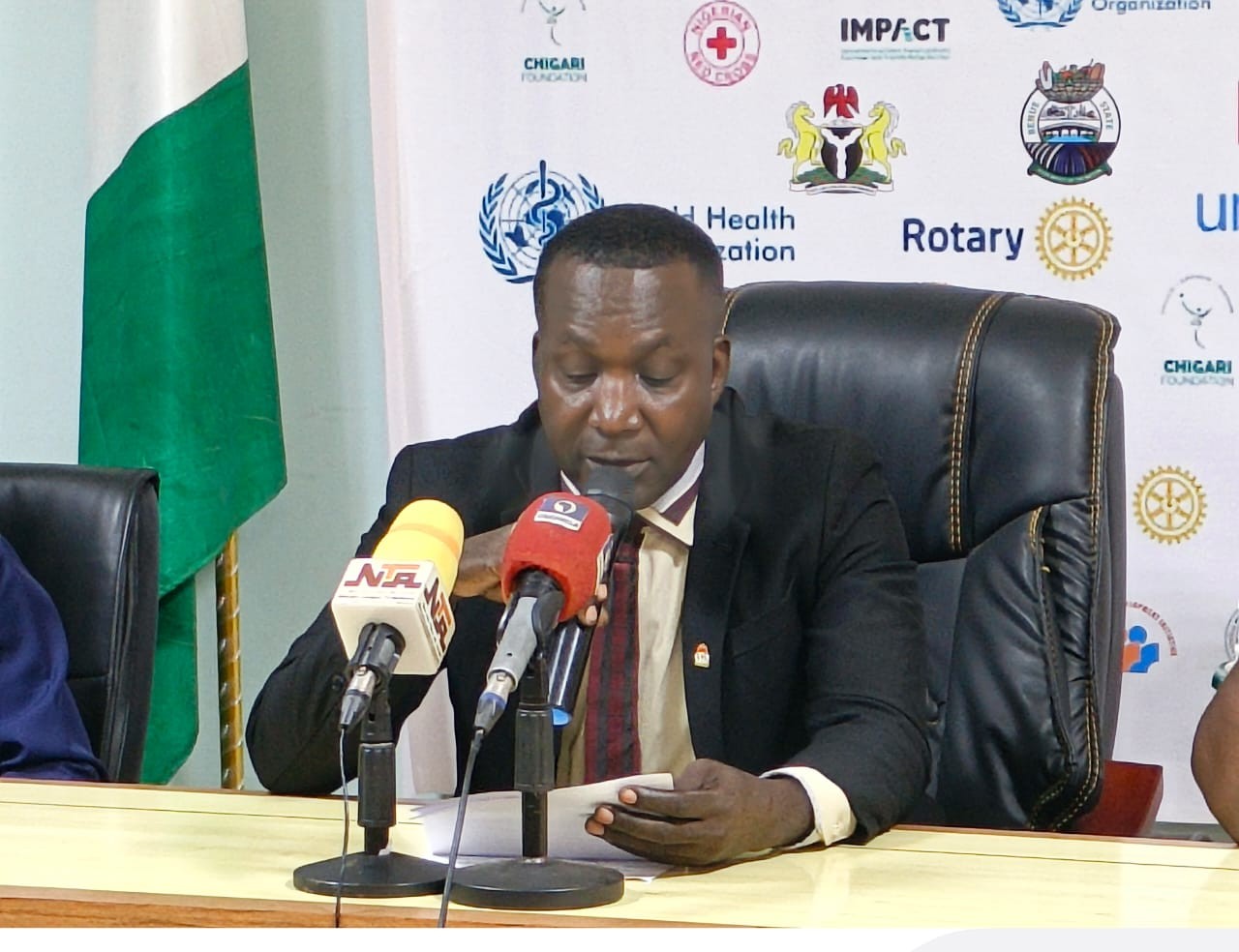
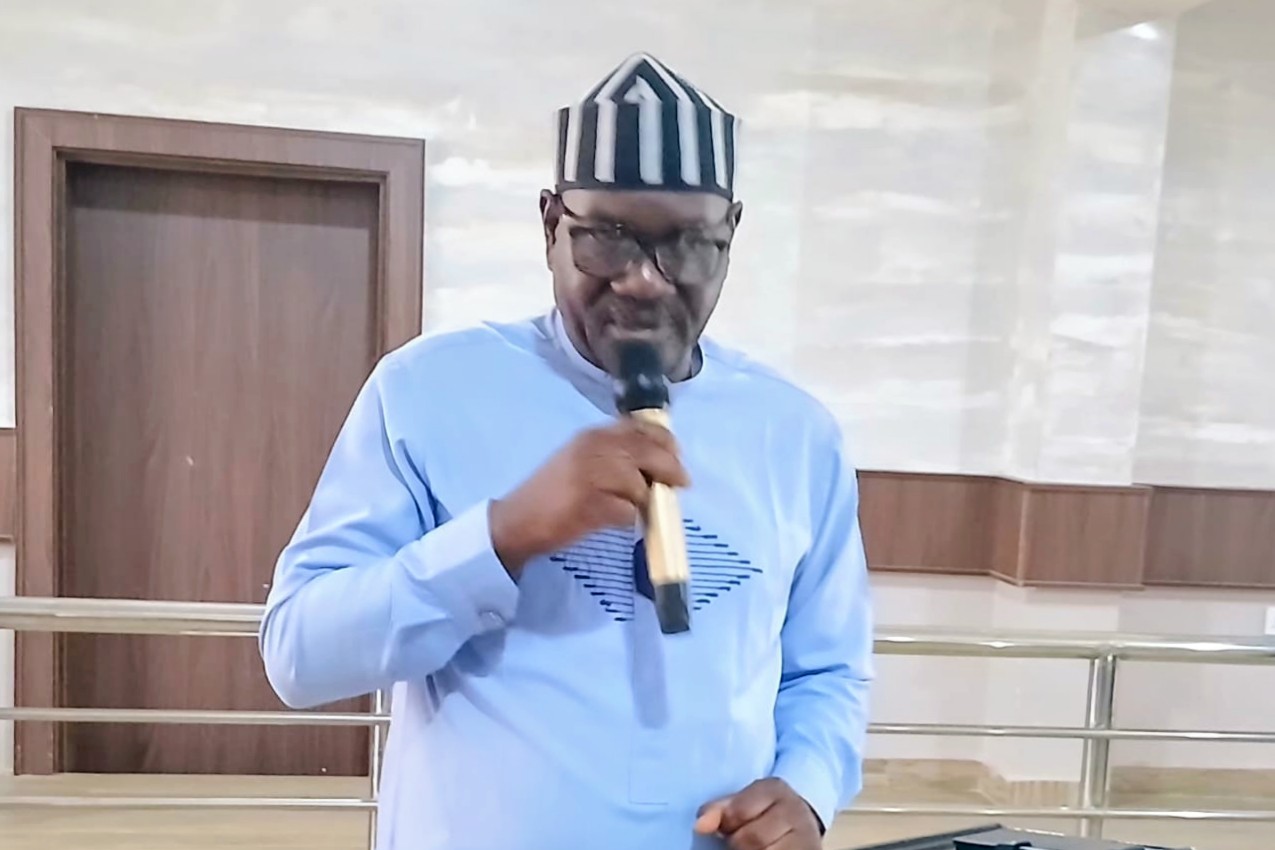
Speaking at a media engagement in Lafia Thursday, the Executive Secretary, Dr Usman Saleh said the four-day intensive immunisation drive is scheduled targeting over 1.3 million children across the state.
Dr Saleh represented by Director, Health Education and Social Mobilisation, Mohammed Ibrahim said the agency is working with UNICEF and other stakeholders to ensure full coverage.
Dr Saleh highlighted the critical role of communication in the success of public health interventions saying: “We want to leverage this vital opportunity to engage with the media so that we can disseminate appropriate, accurate, and timely information regarding this campaign”.
He explained that the agency’s strategy relies heavily on mobilising communities and caregivers to ensure that vaccination is utilised by every household.
According to him, NAPHCDA has adopted a multi-sectoral approach to reach the most remote areas of the state, saying meetings were held with religious leaders and school authorities to gain community trust and access.
Also speaking, Dr Ahmed Tsofo, the Health Specialist for Immunisation with the UNICEF Kaduna Field Office, said Nasarawa is a high-priority zone in the current eradication strategy.
“Nasarawa State is one of the four states that we are supporting from the Kaduna Field Office, that is why we are here at this time around in the State to support a quality implementation of the current campaign that will start on Saturday.”
Dr Tsofo noted that Polio remains a significant public health threat due to its ability to cause permanent paralysis or death in young children, warning that the virus is particularly dangerous because of its highly contagious nature, especially in areas with poor sanitation.
He explained that the campaign is specifically targeting children aged 0 to 59 months to ensure no vulnerable gap is left in the population’s immunity.
Dr Tsofo added that the campaign will employ a house-to-house strategy, with mobile teams visiting homes and fixed posts at healthcare centers.
He said the state was relying on the media to dispel myths regarding vaccine safety and to encourage parents to make their children available for the life-saving drops.
Dr Tsofo urged journalists to popularise the campaign dates and educate the public on the vaccine’s efficacy.
”The topmost thing we want the media to do is to educate and enlighten the people through your various media programs so that people understand the benefit of the vaccine and the disease it protects against,” he said.
In her presentation on the overview of Polio, the representative of the World Health Organisation ( WHO), Dr Bosede Ezekwesili said Polio remains a highly infectious viral threat, primarily targeting children under the age of five.
She noted that circulating vaccine derived poliovirus (cVDPV) continues to emerge in communities where vaccination gaps exist.
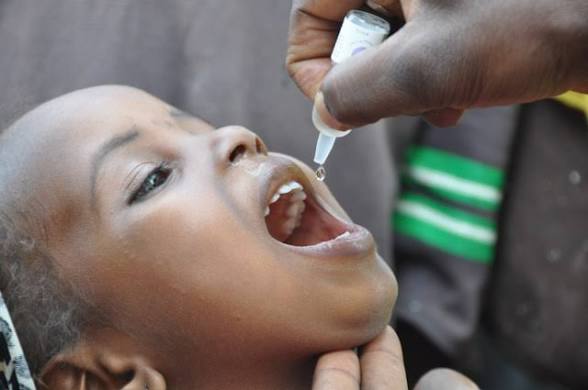
She noted that the upcoming campaign will utilise the Oral Polio Vaccine (OPV), delivered as two simple drops in the mouth, which include the improved nOPV2, a modern vaccine specifically designed to be more stable and reduce the risk of viral mutation.
On his part, Media Expert, Dr Kalu Idika charged journalists to lead the campaign in 2026 Polio outbreak response.
”The media has the capacity to influence how individuals perceive the importance of a news item. We must use that influence to ensure no child is left vulnerable to polio,” he said.