

Stakeholders have called on the Federal and the Benue State Governments to strengthen collaboration with non-governmental and civil society organisations to tackle marginalisation, harmful practices, and discrimination against Adolescent Girls and Young Women,AGYW, in communities.
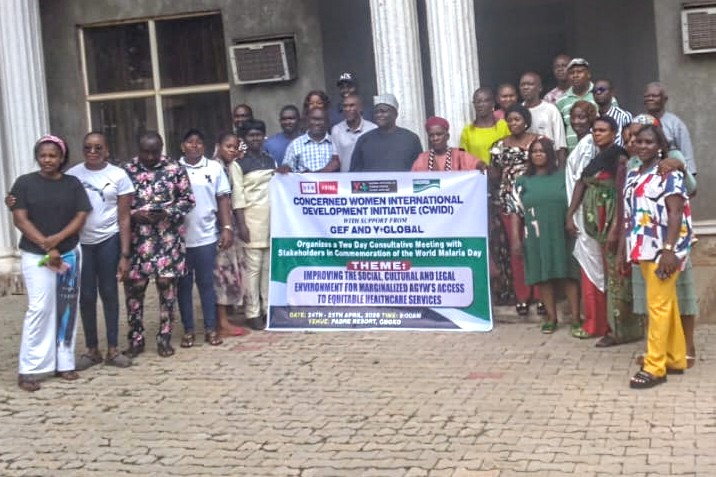
The appeal was made by the District Head of Gboko South, HRH Akpam Abeke, who spoke on behalf of stakeholders at a two-day consultative meeting organised by the Concerned Women International Development Initiative, CWIDI, with support from GEF and Y+ Global.
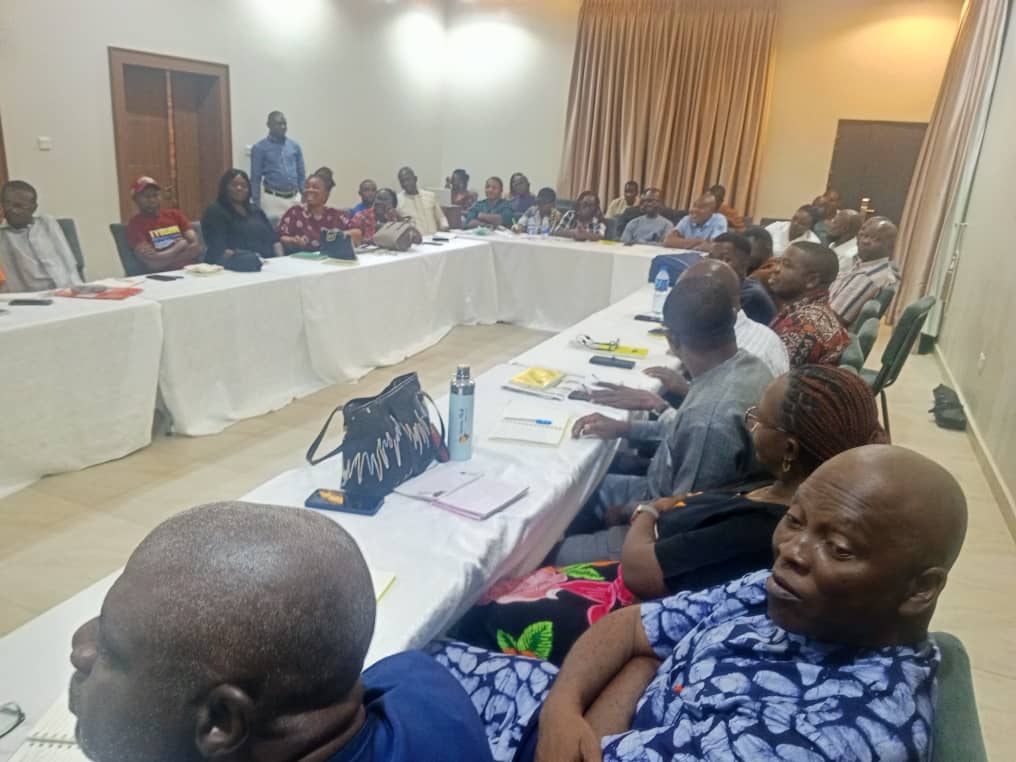
The meeting, held at Padre’s Resort in Gboko to commemorate World Malaria Day, was themed: “Improving the Social, Cultural and Legal Environment for Marginalised Adolescent Girls and Young Women’s Access to Equitable Healthcare Services.”
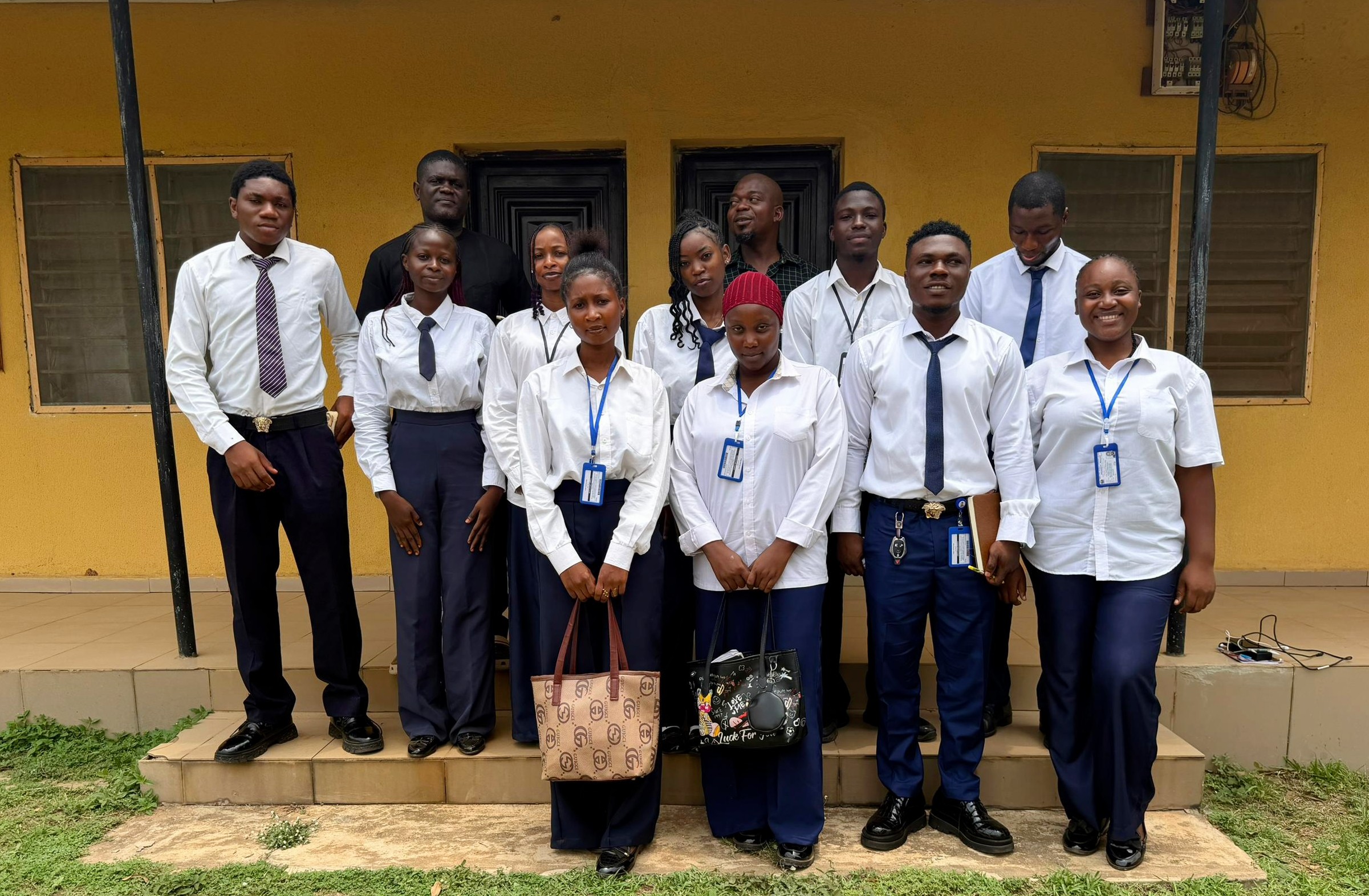
Participants included community and religious leaders, law enforcement agents, legal and health professionals, policymakers, and educators.
The meeting aimed at deepening stakeholders’ awareness of the multiple health challenges confronting marginalised Adolescent Girls and Young Women,AGYW, particularly their heightened vulnerability to HIV, tuberculosis, malaria, and sexual and reproductive health issues,also focused on identifying harmful cultural and social practices that exacerbate their exposure to health risks, stigma, and discrimination.
Participants further examined ways to strengthen community understanding of the rights of AGYW, especially their right to access safe, non-discriminatory, and equitable healthcare services, while building collective commitment to sustained actions that promote a safe, supportive, and enabling environment for their health and wellbeing.
They observed that inadequate awareness of gender-based violence, limited access to justice, and poor healthcare services continue to hinder the effective implementation of laws designed to protect AGYW.
The stakeholders expressed optimism that the programme would deepen understanding of the challenges faced by AGYW and strengthen support systems to help survivors overcome trauma.
They called for stricter enforcement of child protection laws, increased community awareness of gender-based violence, improved access to equitable healthcare, and prompt reporting of abuse cases, urging government to provide economic support to families to enable them to educate their children and secure sustainable livelihoods.
Commending the organisers, the monarch noted that the meeting had shed light on previously under-recognised challenges affecting AGYW and assured that insights gained would inform policy and community actions.
He added that stakeholders would cascade the knowledge through town hall meetings, community associations, and church platforms, while urging CWIDI to expand the initiative to reach more rural communities.
In a presentation titled “Legal Rights and Protection for AGYW: Educating Stakeholders on the Rights of AGYW Including Protection from Violence, Discrimination and Barriers to Healthcare,” Barrister Blessing Ityohuun highlighted that AGYW aged 10–24 face multiple challenges driven by gender inequality, poverty, harmful social norms, early marriage, and limited access to sexual and reproductive healthcare.
She outlined key legal frameworks protecting AGYW, including Sections 33 and 42 of the 1999 Constitution, the Child Rights Act (2003), the Violence Against Persons (Prohibition) Act (2015), the Trafficking in Persons Act (2015), the Convention on the Elimination of All Forms of Discrimination Against Women,CEDAW, and the African Charter on Human and Peoples’ Rights.
Ityohuun, who is also the Chairperson of FIDA, Benue State Chapter, urged stakeholders to promote awareness and utilisation of these laws, further calling on governments at all levels to strengthen legal frameworks, align national laws with international standards, criminalise all forms of gender-based violence, and improve access to justice.
She stressed that effective implementation of laws remains critical to safeguarding the rights and wellbeing of AGYW.
Also speaking, Dr. Laadi Swende, in a presentation titled “Addressing HIV, Tuberculosis, Malaria and Sexual and Reproductive Health Rights in Low Resource Settings,” described the diseases as leading causes of illness and death among AGYW.
She advocated for integrated, youth-centred health approaches that address structural inequalities while ensuring access to quality services, noting that success depends on sustained political commitment, adequate funding, and meaningful engagement of young women.
Swende emphasised that malaria, tuberculosis, HIV, and sexual and reproductive health issues are interconnected and should be addressed through coordinated policy and advocacy efforts, urging government to strengthen health systems to provide confidential, non-judgmental, and accessible services tailored to adolescents.
In her remarks, the Executive Director of CWIDI, Becky Gbihi, said the initiative aimed to raise awareness on child abuse and other challenges affecting marginalised AGYW, advising stakeholders to sensitise communities and promote the rights of young women.
She explained that the programme also equipped participants with knowledge to support AGYW in reducing health risks associated with malaria, tuberculosis, and HIV/AIDS, while addressing stigma and discrimination in healthcare and justice systems.
Gbihi added that stakeholders were trained to guide victims on where and how to report cases of gender-based violence.