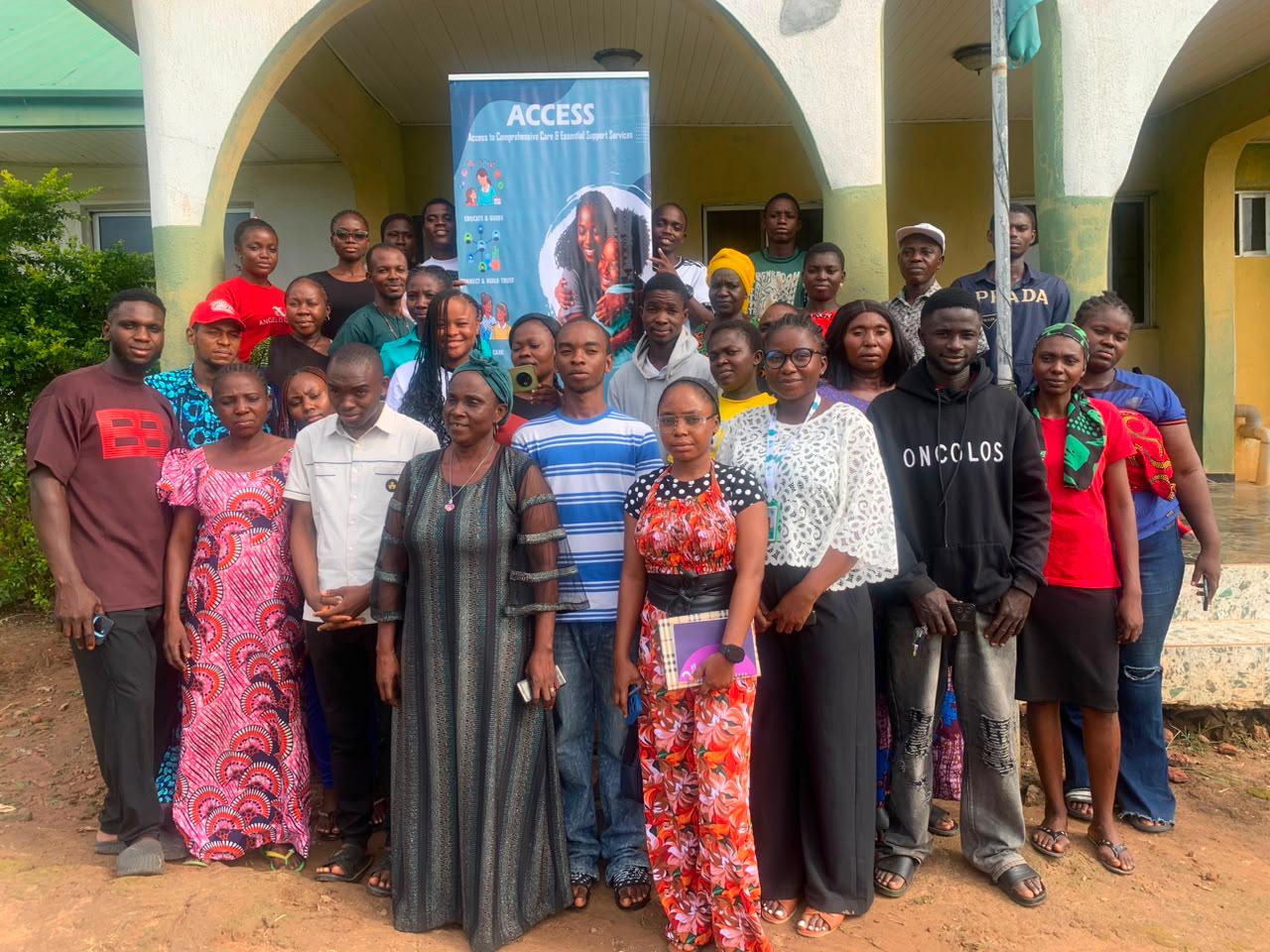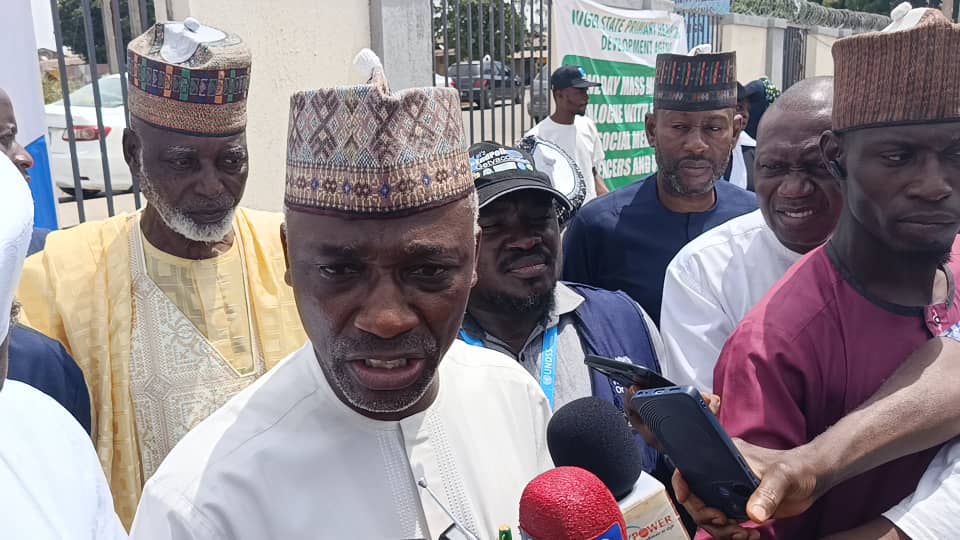


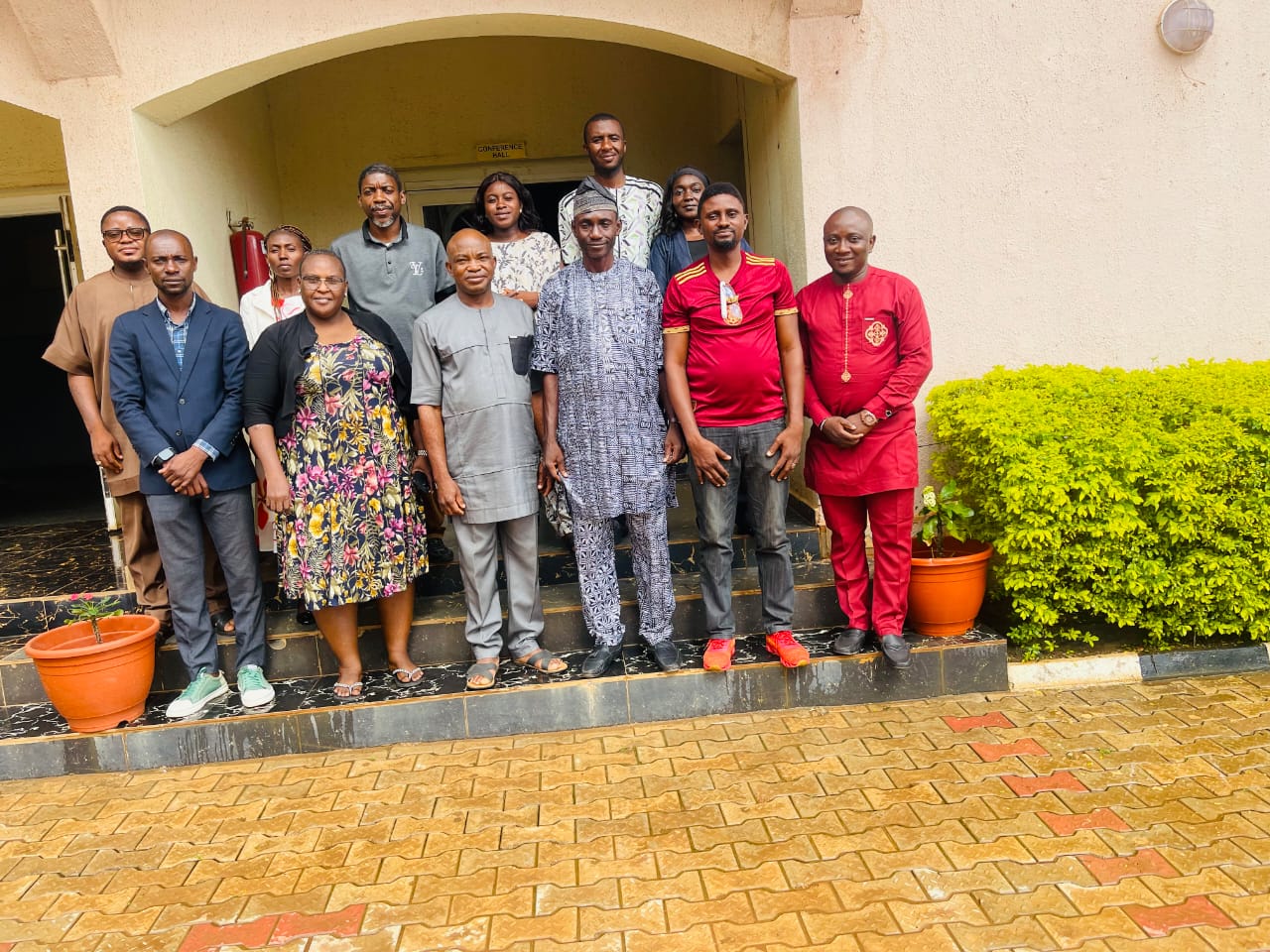
The Network of People Living with HIV/AIDS in Nigeria (NEPWHAN), in collaboration with partners working in the response to HIV, Tuberculosis (TB), malaria and other related diseases, has called on media practitioners to embrace responsible, accurate and fact-based reporting to prevent misinformation, stigmatization and discrimination among members of the public.
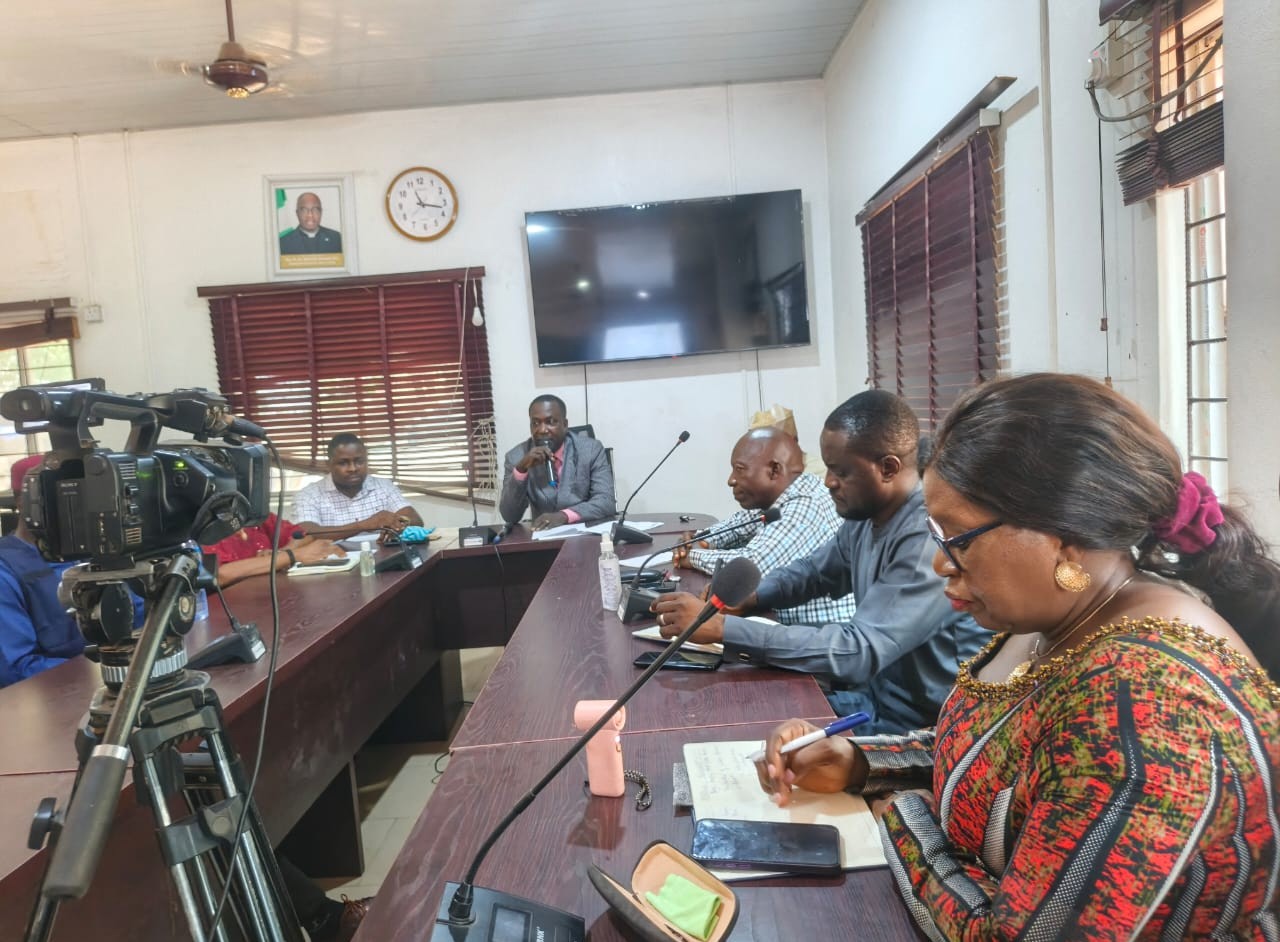
The call was made at a Global Fund/IHVN/N-THRIP Community-Led Monitoring (CLM) and Partners’ Media Roundtable Engagement Meeting, convened by NEPWHAN, held on Tuesday, at Doo Palace Conference Hall, Makurdi.
The stakeholders urged journalists to report health-related issues accurately and responsibly, with the aim of improving public understanding, creating awareness and supporting ongoing efforts by the Ministry of Health and other stakeholders to address HIV, TB, malaria and other public health challenges.
Speaking, the Coordinator of NEPWHAN, Benue State, Mr. Febian Tor, noted that the HIV/AIDS response had recorded significant progress over the years as a result of sustained interventions by government, donors, civil society organisations and implementing partners.
He said the media should not focus only on the negative aspects of HIV/AIDS but should also report the progress being made in prevention, testing, treatment and support for people living with the virus.
“The media should also project the good things happening around public health diseases to avoid underground self-denial. Treatment is working; that is why HIV/AIDS issues are no longer as pronounced as before, and a lot of people are not coming down with AIDS,” he said.
Tor further stressed the use of credible data and verified information when reporting health matters, stating that responsible health journalism can contribute significantly to public awareness, reduce stigma and strengthen community participation in the fight against HIV, TB, malaria and other diseases.
The Commissioner of Health and Human Services, represented by the State Programme Officer, Association of Civil Society on Malaria, Immunization and Nutrition (ACOMIN), Mr. Victor Hua, appreciated the role of the media in nation-building, stressing that Benue communities cannot be adequately informed or enlightened without the media.
He advised the media to always work towards mitigating misinformation for the benefit of society by diligently creating awareness on the success stories in the Ministry of Health, HIV/AIDS and related diseases, among other health issues.
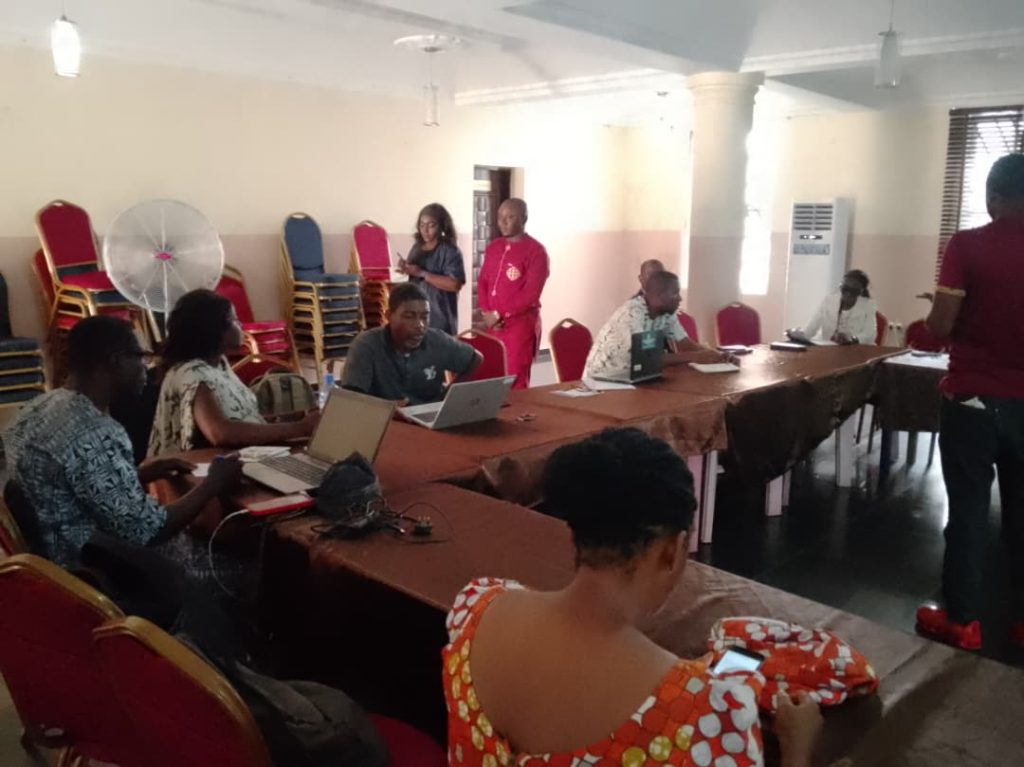
Presenting an overview of the GF/IHVN/N-THRIP Community-Led Monitoring (CLM) data, the Programme Officer, Global Women’s Health, Rights and Empowerment Initiative (GWHREI), Mrs. Saalaka Iveren Blessing, noted some of the challenges identified during the monitoring in most of the health facilities, including poor amenities, limited power supply, poor infrastructure and shortage of manpower, among others.
She maintained that the issues matter because they could result in interrupted treatment, overburdening of medical personnel and brain drain, which affects everyone but most especially people living with HIV, adolescents and young people, posing serious health concerns such as new infections and delayed access to essential health services.
The Programme Officer further solicited media support in addressing the challenges through conscious reports that would amplify the voice of CLM findings and advocate government attention to unresolved health gaps like budgetary allocation, and also reporting on success stories.
The Executive Director, Positive Vibes Youth Response, Mr. Terna Ashuku, also speaking, informed that Community-Led Monitoring is widely coordinated by the Network of People Living with HIV/AIDS in Nigeria, Civil Society Organisations, Tuberculosis Network and Malaria.
He added that it is implemented in six states and the Federal Capital Territory, while the CLM supported by the Global Fund under NEPWHAN is implemented in 13 states, including Benue, with three community-based organisations and implemented in 85 hospitals: tertiary, secondary and primary healthcare facilities, including private and faith-based facilities.
Mr. Ashuku further explained that their objective was to educate PLWHA, key populations, community and religious leaders, among other stakeholders, on HIV prevention and treatment-related rights, while soliciting media support as vital to the actualization of the set goals in controlling the spread, especially among the youth.
Representatives of BENSACA, Mrs. Linda Gaadi, Assistant Monitoring and Evaluation Officer, and the State HIV/Viral Hepatitis/STI Focal Person, Benue State Ministry of Health, Mr. Ankwa Matthew, unanimously stated that the HIV/AIDS response has become a collective and state responsibility due to the partial withdrawal of foreign donors, and called on all stakeholders, particularly the media, to strategize ways of ending the pandemic domestically by 2030.
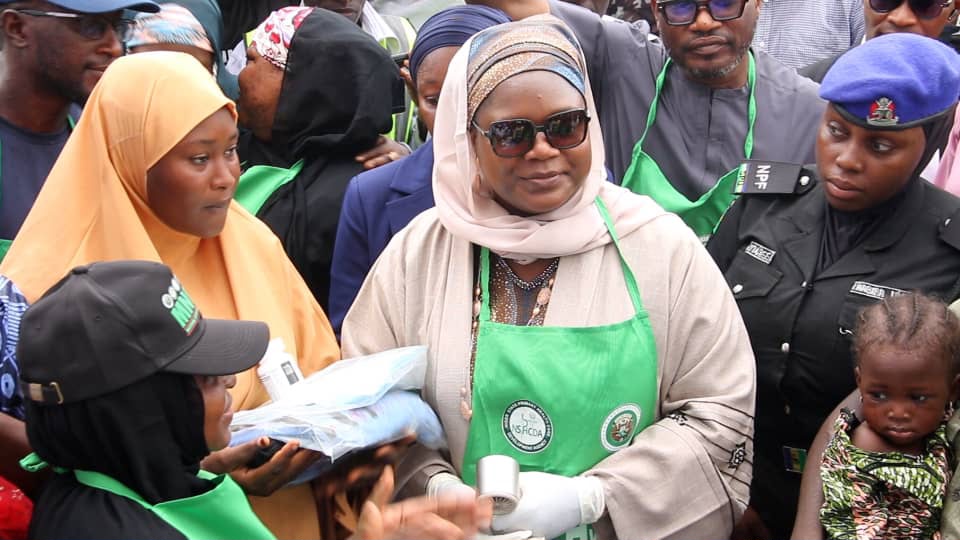
The roundtable brought together media practitioners, health stakeholders, implementing partners and community representatives to discuss ways of strengthening collaboration and improving media reporting on public health issues.