


Beyond the statistics and policy documents debated at various gatherings lies a harsh reality in Nasarawa State that Children are falling ill, facing irreversible developmental damage and dying, while life-saving nutritional supplies remain locked away, undistributed, in State’s warehouses.
At a recent Nasarawa State Media Engagement meeting on Domestic Nutrition Financing organised under the Partnership for Improving Nigerian Nutrition Systems (PINS 3.0) project, civil society advocates, government officials, and community leaders gathered to confront the administrative red tape stifling local healthcare distribution.
The latest National Demographic and Health Survey (NDHS 2023–2024) paints a troubling picture as 35% of children in Nasarawa State suffer from stunting, while 9.6% experience acute wasting.
Warning of the long-term cost of inaction, Kunle Ishola, Senior Programme Officer at Civil Society Scaling Up Nutrition in Nigeria (CS-SUNN), stressed that early childhood malnutrition inflicts damage that lasts a lifetime.
”Once a child is stunted, the damage is permanent. Out of every 100 children in Nasarawa, 35 are already living with stunting. If these children are the future, we are looking at losing over a third of our next generation’s potentials. That will inevitably weigh down the state’s economic future if we don’t fix this now,” Ishola explained.
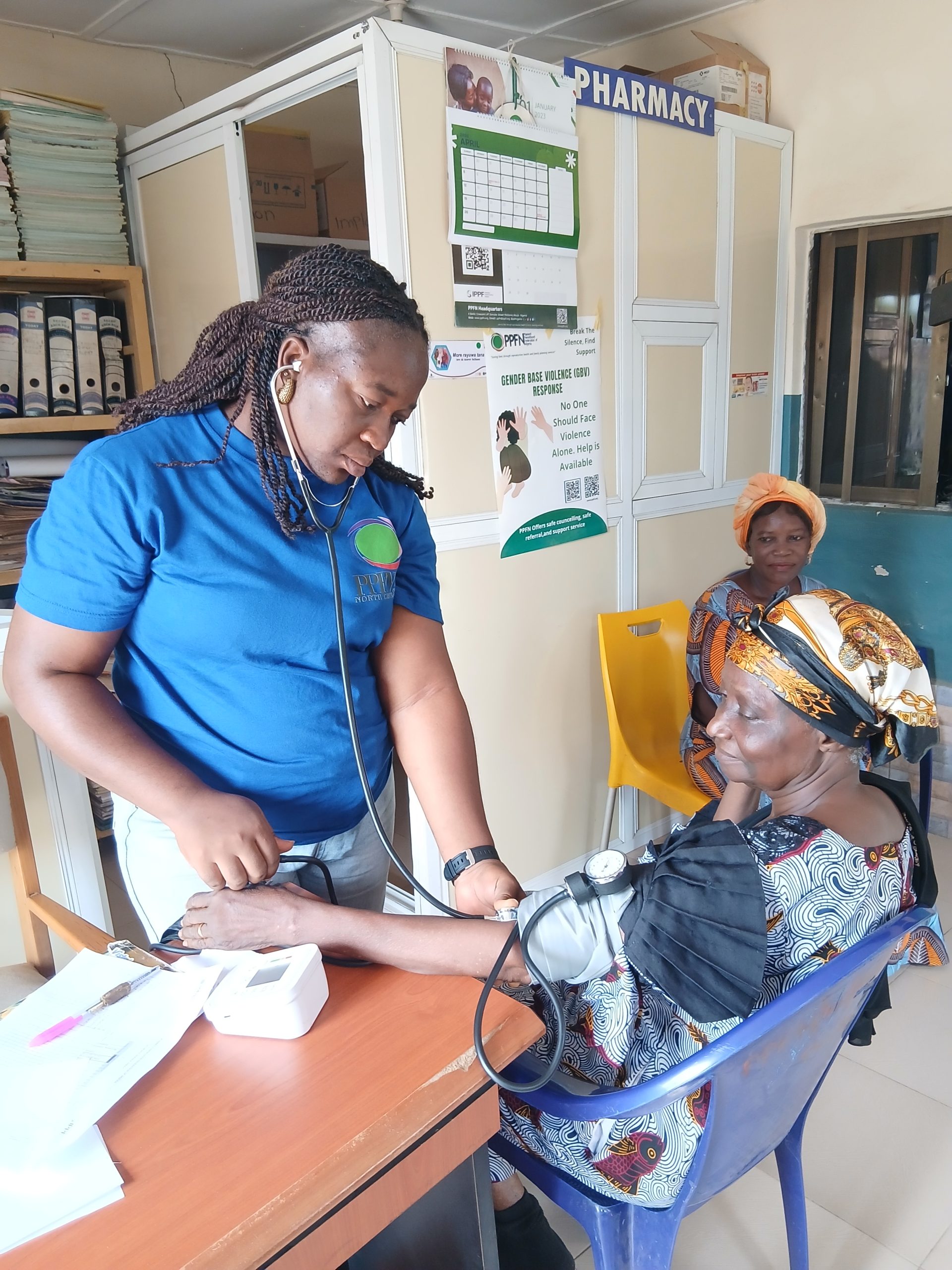
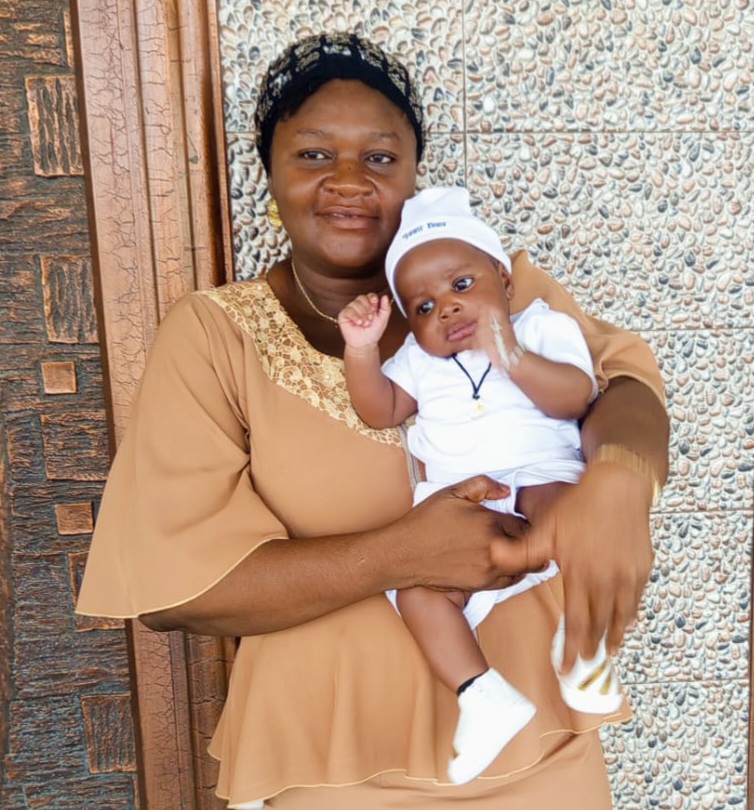
For children suffering from Moderate Acute Malnutrition (MAM) and Severe Acute Malnutrition (SAM), immediate care is a matter of survival. Yet, administrative delays in getting supplies to clinics routinely turn preventable cases into hospitalizations and fatalities.
Governor Abdullahi Sule has signed off on the Nasarawa State Policy on Food and Nutrition alongside a five-year strategic plan, but advocates point out that paperwork does little good when bureaucratic friction stalls work on the ground.
Ishola noted that while mid-level desk officers in state ministries understand the urgency, senior decision-makers often fail to grasp the gravity of the situation or the vital distinction between general food security and targeted nutrition care. Without that understanding from top leadership, funding requests sit on desks waiting for signatures.
He added that approved funds are often held up until late in the year, forcing departments into a frantic rush to spend money before the budget cycle closes.
”When funding finally drops in November, there’s a scramble to execute dozens of delayed projects. Careful planning goes out the window because the focus shifts to clearing the funds before they expire, which completely undermines proper implementation,” Ishola said.
The consequences are particularly severe in places like Awe Local Government Area, where childhood malnutrition rates far exceed the state average.
Jonah Aboki, Nasarawa State Coordinator for CS-SUNN, pointed out the painful paradox of fully stocked warehouses existing alongside empty clinic shelves.
”We have a 35% stunting rate, yet life-saving supplies sit unused. The governor released 125 million naira as a matching grant, and the state received the inventory over a month ago. The bottleneck now is simply getting them out the warehouse door. While paperwork moves at a crawl, children are dying in our communities,” Aboki said.
Aboki urged the Primary Health Care Development Agency and related departments to take immediate ownership of logistics, ensuring supplies move directly from central storage to grassroots health centers.
Even with these operational hurdles, advocates acknowledge that Nasarawa State has shown stronger political commitment than many of its neighbors.
Shuaibu Musa Kafingana, Lead for Partnership and Collaborations on the CS-SUNN National Steering Committee, noted that Nasarawa remains a reliable partner when it comes to matching international grants, particularly through UNICEF.
”Nasarawa State has consistently stepped up to meet counterpart funding commitments with UNICEF.They have demonstrated real commitment, including a pledge of 500 million naira for the Child Nutrition Fund in 2026,” Kafingana said.
To build on that momentum, state officials are working to widen domestic funding sources beyond government budgets and foreign aid.
Usman Obadiah, Deputy Director of Nutrition and Dietetics at the Nasarawa State Ministry of Health, called on media organisations and private sector partners to rally around domestic nutrition investment
”This effort is about building lasting domestic support. We have businesses and private donors in Nasarawa who can back these health initiatives through corporate responsibility programs. But we need a unified voice across all channels to reach them. The goal has to be the same: getting support directly to our children,”Obadiah said.
As civil society groups, government bodies, and media partners align under the PINS 3.0 initiative, the core objective remains straightforward: turn signed policies and budget lines into prompt funding releases and swift deliveries, so no child in Nasarawa loses their life to bureaucratic delays.