

The Benue media community has been called upon to step up engagement in humanitarian response as well as child protection and advocacy to improve the welfare of vulnerable communities in the state.
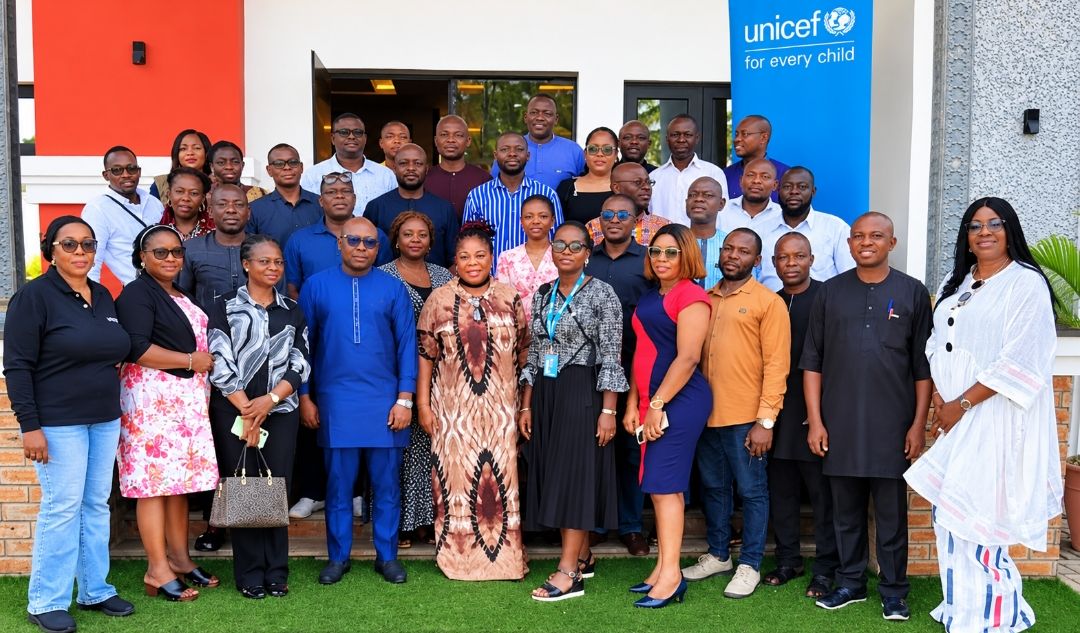
The call was made by the United Nations Children’s Fund (UNICEF) and the Benue Government during a Two-Day Media Dialogue on Humanitarian Action for Children in Benue State which held in Makurdi at Batoha Hotel with the theme “Amplifying Humanitarian Action: Media, Evidence and Advocacy for Children”.
Declaring the dialogue open, the State Commissioner for Information and Orientation, Chief Solomon Iorpev, said effective collaboration between government and media practitioners was essential to addressing issues affecting children and protecting their rights.
The Commissioner, who was represented by the Ministry’s Director of Information and Head of Department, Public Enlightenment and Orientation, Mrs Comfort Ajunwa, described the media as a critical partner in development beyond its traditional role of informing the public.
According to him, the media plays important roles in shaping public opinion, creating awareness, promoting positive values, and holding stakeholders accountable.
“The pen of the media practitioner is sharper than the gun. We believe that effective collaboration between government and media practitioners is essential in addressing issues affecting children, protecting their rights and ensuring that their voices are heard,” he said even as he commended UNICEF for bringing stakeholders together through the dialogue and expressed optimism that the engagement would produce meaningful discussions, stronger partnerships and practical recommendations.
Iorpev also reaffirmed the ministry’s commitment to working with UNICEF and other stakeholders to promote child protection and improve public understanding of humanitarian issues.
In her remarks, UNICEF Chief of Field Office, Enugu, and Humanitarian Action and Coordination (HAC) Sub-office, Benue, Mrs Juliet Chiluwe, said the humanitarian situation in the state required sustained attention, stronger partnerships and collective action.
Chiluwe, who was represented by UNICEF Social Policy Officer Dr Victor Chima, appreciated the Government of Sweden for its continued support to UNICEF’s humanitarian response through Sida.
She described the media dialogue as an important strategic communication and visibility component of the support, providing an opportunity to deepen understanding of interventions and showcase their results.
According to Chiluwe, the media remains an indispensable partner in humanitarian action because its platforms can shape public understanding, amplify the voices of affected communities, influence policy discussions, and mobilise resources to address humanitarian needs.
She urged journalists to use the engagement to deepen their understanding of UNICEF’s interventions and identify practical ways of promoting informed, ethical and sustained reporting on the humanitarian situation in Benue even as she called for stronger collaboration among government, development partners and other stakeholders to ensure that the needs, rights and voices of children remained central to humanitarian priorities.
“Let us use these engagements to move beyond reporting challenges to amplifying solutions, strengthening accountability and inspiring collective action,” she said while expressing optimism that the dialogue would strengthen partnerships and bring about more effective humanitarian interventions in the state.
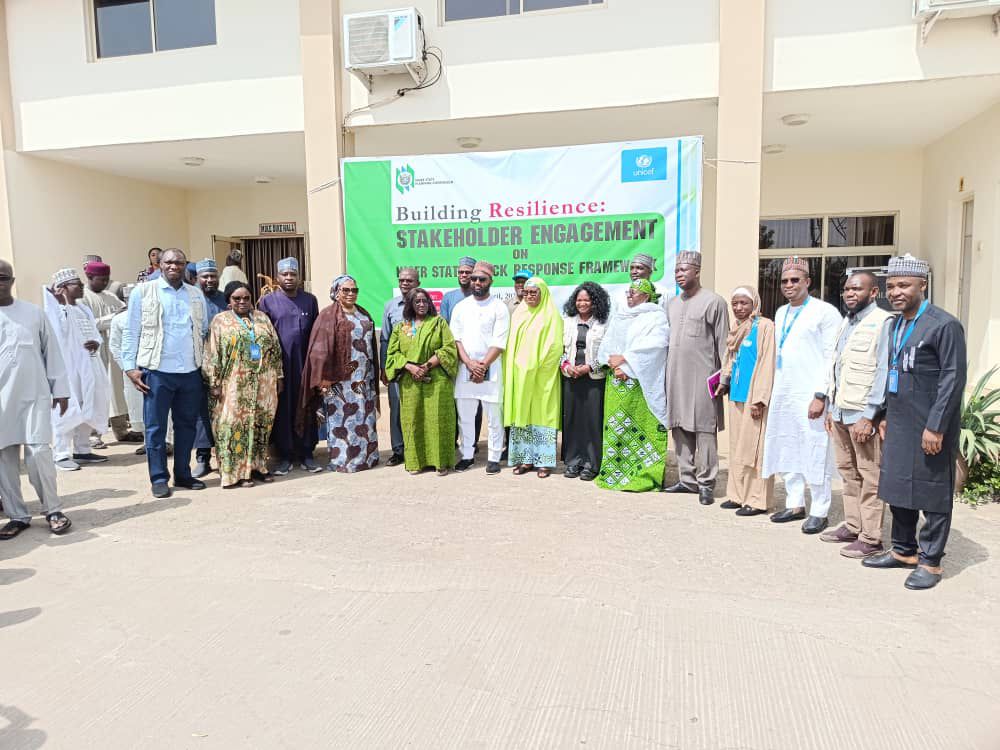
Participants at the media dialogue included government representatives, media executives, journalists, development partners, and other stakeholders to discuss ways of improving communication, advocacy, and accountability in humanitarian response.
At the end of the Media Dialogue, journalists were led to various IDP Camps including Gbajimba 1, Gbajimba 2, Ichwa as well as Daudu 1 and Daudu 2 for an on-the-spot assessment of UNICEF interventions that cut across Water, Sanitation and Hygiene (WASH), healthcare and education.