


The Benue State Committee on Food and Nutrition (SCFN) has called for stronger actions to tackle malnutrition across the state. The call was made during the first quarter 2026 meeting of the committee, held on Wednesday at the Benue State Budget and Economic Planning Commission (BSBEPC) hall, State Secretariat, Makurdi.
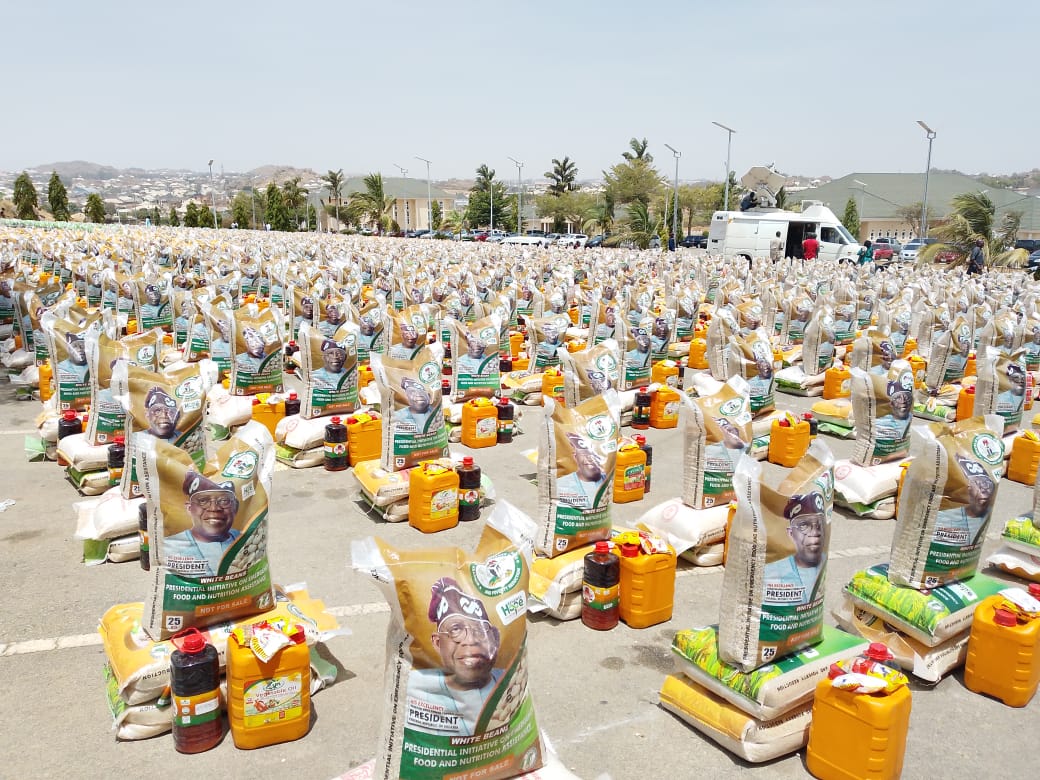
In his welcome address, the Acting Permanent Secretary of BSBEPC and Chairman of the Committee, Mr. Orinya Ogenyi, appreciated members for their commitment, noting that deliberations at the meeting would help improve nutrition outcomes in both Benue State and Nigeria at large. He emphasized the importance of addressing malnutrition through coordinated action, in line with the Federal Government’s food and nutrition initiative across the 774 local government areas.
According to him, the initiative is designed to strengthen governance and ensure effective implementation of nutrition interventions at the grassroots level through structured platforms. Mr. Ogenyi added that the State Committee on Food and Nutrition, domiciled in the BSBEPC, provides leadership in coordinating multi-sectoral nutrition interventions.
He commended the Benue State Government for its commitment to tackling malnutrition, particularly through the development and approval of key policy frameworks such as the Benue State Policy on Food and Nutrition (BSPAN) 2024–2027.
The Acting Permanent Secretary announced plans for training on nutrition budget tagging and revealed that local government committees on food and nutrition would be enumerated, and an advocacy body would be established to engage media organizations and other stakeholders in promoting nutrition activities across the state. He advised MDAs in Benue State to set up a Nutrition unit in their establishments, as the Benue State Budget and Economic Planning Commission is at an advanced stage of having Nutrition as a Commission in the state.
Earlier, the Director of Statistics at BSBEPC, Mrs. Victoria Ike-Dodo, outlined the objectives of the meeting, which included charting a way forward for improved nutrition outcomes, strengthening the implementation of SCFN activities, and enhancing collaboration with the State House of Assembly and the Office of the Governor.
In his goodwill message, the State Team Lead of Helen Keller International, Mr. Wilson Ameh, expressed satisfaction with the committee’s efforts, describing the SCFN as a critical platform for driving nutrition interventions in the state. He reiterated the organization’s readiness to support initiatives that will improve the well-being of citizens.
Mr. Ameh also advised the Quality Improvement Team to meet regularly ahead of committee sessions to brainstorm and strengthen programme implementation, urging members to effectively utilize meetings to advance nutrition advocacy.
Presenting an update on the nutrition situation in the state, Dr. Faustina M. Shar highlighted key statistics. She noted that 49.1% of pregnant women attend at least four antenatal care visits, while 33.3% do not attend at all. She added that 63% of women receive iron or folic acid supplements, while 29.4% of women of reproductive age are anaemic.
On infant and young child feeding, Dr. Shar revealed a decline in early breastfeeding from 47.4% in 2021 to 29.4% in 2024. She noted that exclusive breastfeeding also dropped from 56.8% to 39.9% within the same period, even as dietary diversity among children aged 6–23 months decreased from 19% to 16%, while minimum meal frequency declined from 54.9% to 36.8%.
She further disclosed that stunting among children under two stands at 25%, wasting prevalence at 6.7%, and Vitamin A supplementation coverage has dropped from 62% to 45.1%, while anaemia among children aged 12–59 months is currently at 21.7%.
Dr. Shar identified key challenges affecting nutrition in the state, including the absence of dedicated nutrition departments in relevant ministries, departments, and agencies (MDAs), as well as the state’s inability to access the UNICEF Child Nutrition Matching Fund.
In his contribution, BSBEPC Director, Mr. Terlumun Asaa, advised the committee to identify all MDAs involved in nutrition-related activities and ensure proper budget allocation and tracking. He stressed the need for accurate reporting and documentation of nutrition interventions.