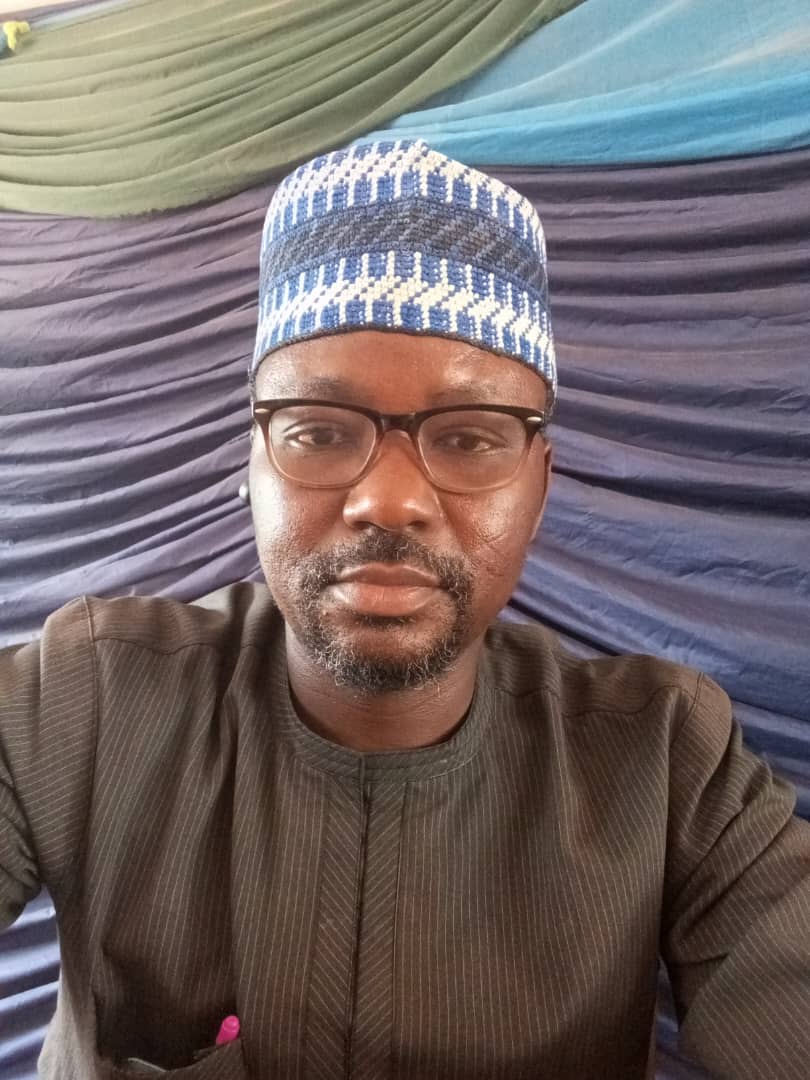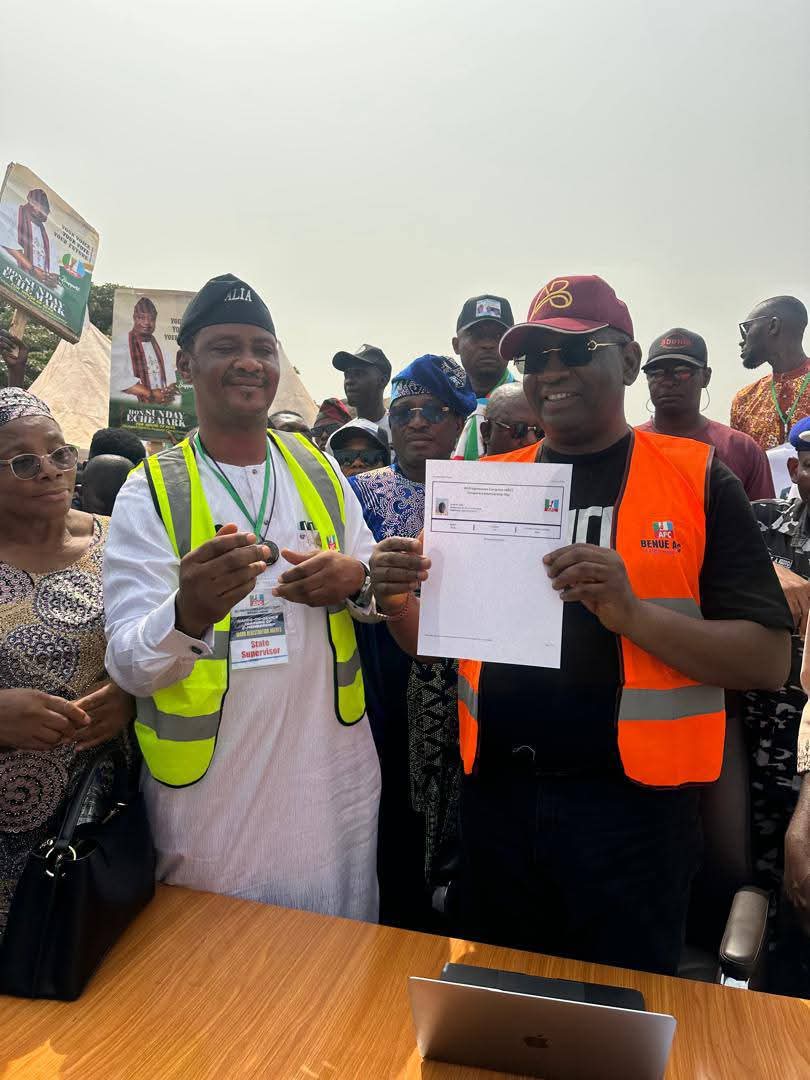


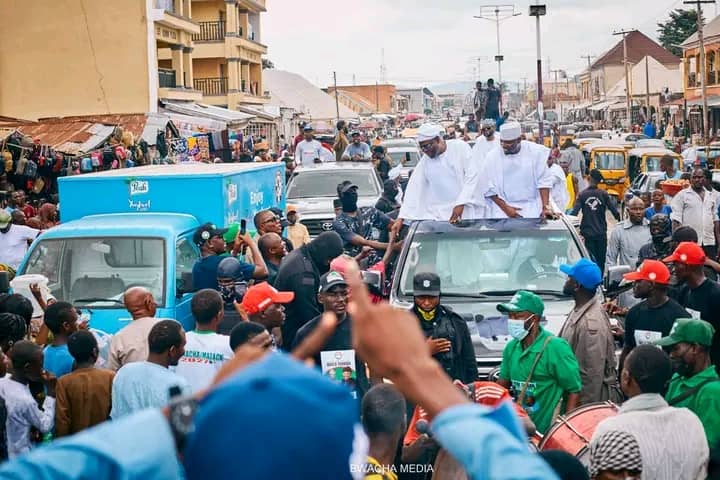
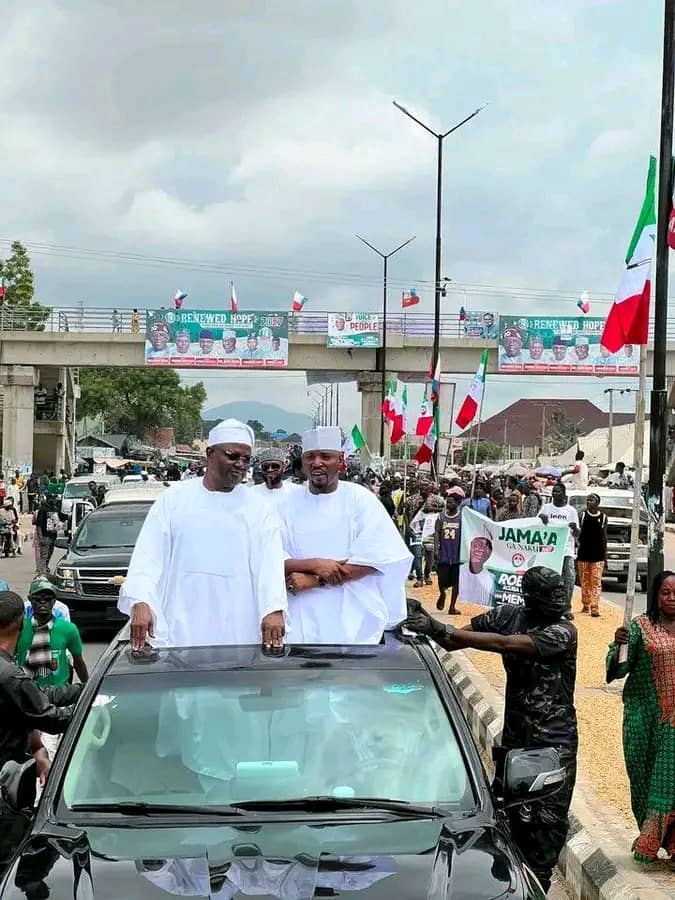
Taraba State Peoples Democratic Party (PDP) gubernatorial candidate, Senator Emmanuel Bwacha on Saturday officially unveiled Engineer Aminu Zakari as his running mate for the 2027 Taraba State governorship election, declaring the move “the unveiling of a new possibility” for the state.
Speaking at the event attended by PDP leaders, traditional rulers, religious leaders, and members of the Bwacha Campaign Council, Bwacha said he returned to politics not out of personal ambition, but in response to what he described as “a call greater than myself; a call to serve, to restore hope and to help write a better chapter in the history of our state.”
The former senator said he had planned to retire from public life after the 2023 election to focus on family and private service. However, he noted that the persistent demands of the people left him with no choice but to answer the call to duty.
“When the cry of a people becomes louder than the comfort of private life, duty leaves no room for retreat,” Bwacha said.
Bwacha said his choice of Zakari was guided by competence and character, not political convenience. He described his running mate as a man of “public service, professional excellence, and unquestionable integrity” whose selection sends “a simple but powerful message: the future cannot wait.”
“We cannot keep telling our young people they are the leaders of tomorrow without trusting them with responsibility today,” he added.
The senator outlined a governance agenda centered on agriculture, education, healthcare, enterprise, and infrastructure. He said government must be measured “not by the size of its budget, but by the size of the difference it makes in the lives of ordinary people.”
“We promise integrity. We promise preparation. We promise a government that listens before it speaks, plans before it spends, and serves before it celebrates,” he said.
Bwacha urged the people of Tarava to reject “the politics of fear, division, tribe, and religion,” and instead embrace unity and shared purpose. He said the movement was not about himself or Zakari, but about “the farmer in Wukari, the trader in Bali, the teacher in Takum, the artisan in Lau, and every family that believes tomorrow can be better than today.”
“Let it be said that when division threatened, we united. When despair prevailed, we planted hope. When others saw obstacles, we saw possibilities,” he said.
He concluded by calling on youths, women, traditional and religious leaders, and all residents to join the effort to build a Taraba “where no child is limited by the circumstances of birth” and “where leadership is measured not by privilege, but by service.”