

On October 1, 1960, Nigeria broke free from British colonial rule with immense hope and a clear sense of national possibility. Independence transferred political authority to Nigerians and placed the responsibility for the country’s future firmly in their hands.
Sixty-six years later, Nigeria has survived political upheavals, a civil war, military interventions and repeated economic crises. It has produced remarkable achievements in education, science, technology, agriculture, business, sports and the creative industries. Yet the central promise of independence remains incomplete.
Since independence, the country has moved through civilian administrations, military regimes and an interim government, with 17 individuals serving as Prime Minister, President or Head of State.
Abubakar Tafawa Balewa, who served as Prime Minister from 1960 to 1966, led Nigeria at independence. Nnamdi Azikiwe became the country’s first President in 1963 when Nigeria became a republic.
The military era began with Johnson Aguiyi-Ironsi in 1966 and continued under Yakubu Gowon, whose government led the country through the Civil War and the difficult reconstruction that followed. Under Gowon, Nigeria established the National Youth Service Corps in 1973 to promote national unity by encouraging young graduates to serve and live in different parts of the country.
Murtala Mohammed initiated major reforms and began the process that led to Abuja becoming the Federal Capital, while Olusegun Obasanjo oversaw the return to civilian rule.
Shehu Shagari led the Second Republic before military rule returned under Muhammadu Buhari and Ibrahim Babangida. Ernest Shonekan briefly headed the Interim National Government, followed by Sani Abacha and Abdulsalami Abubakar, who supervised the transition to the Fourth Republic.
The return to democracy brought Olusegun Obasanjo, whose administration pursued economic reforms and secured substantial debt relief. Umaru Musa Yar’Adua advanced electoral and rule-of-law reforms and introduced the Niger Delta amnesty programme. Goodluck Jonathan presided over the 2015 election and peacefully transferred power to the opposition.
Muhammadu Buhari focused on security, anti-corruption and infrastructure. Bola Ahmed Tinubu, who assumed office in 2023, has launched major economic, tax, energy and fiscal reforms that remain in progress.
Every administration has left achievements, controversies, unfinished business and lessons. But Nigeria’s history cannot become an excuse for repeating failure. It must become the foundation for building institutions that work and policies that endure beyond individual governments.
Independence gave Nigeria the authority to determine its own path. It did not automatically deliver security, prosperity or justice. These must be built and defended through competent leadership, accountable institutions and sustained public pressure.
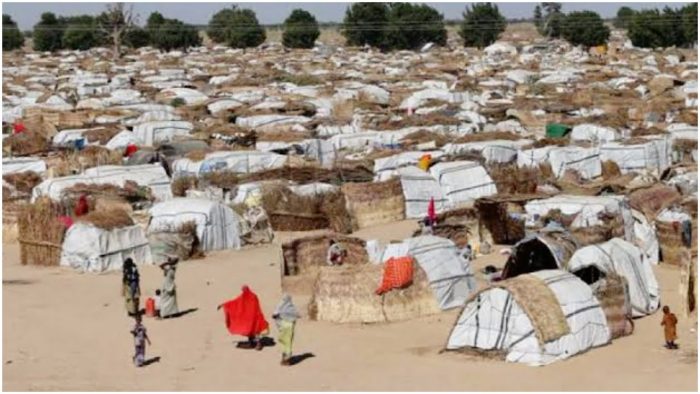
Security is the most immediate test; Terrorism, banditry, kidnapping, communal violence and other forms of criminality continue to threaten communities across the country. Their effects are devastating: farms are abandoned, schools are disrupted, businesses are weakened and families are displaced.
Nigeria cannot claim meaningful freedom while citizens live under constant fear. The response must go beyond military operations. The country needs stronger intelligence, professional policing, effective courts, community engagement and a serious effort to address the causes of violent conflict. Protecting citizens must be the first duty of the government, not a recurring promise after each attack.
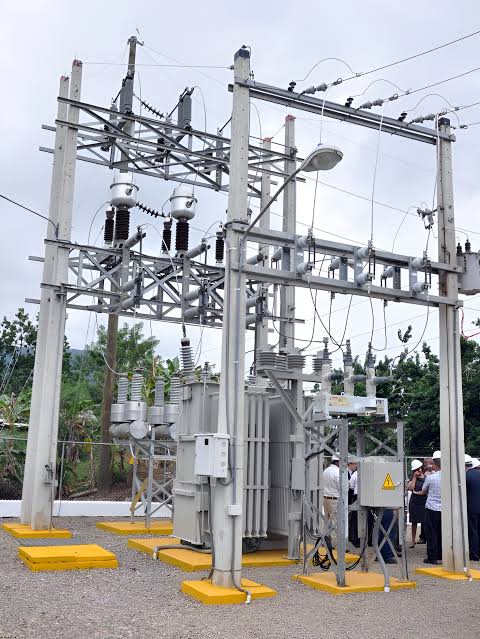
The Tinubu administration has introduced sweeping measures, including the removal of the petrol subsidy, foreign-exchange reforms, tax reforms, student-loan financing, CNG initiatives, agricultural interventions, power-sector reforms and renewed investment in roads, rail, housing and the oil and gas sector.
The government has described these policies as necessary to stabilise public finances and create a more productive economy. But reform cannot be judged by its announcement or its technical design alone. It must be judged by what it does to the lives of citizens.
For households and businesses, the immediate reality has been higher transport, food and operating costs. The burden is especially severe for the poor, the unemployed and small enterprises already struggling to survive. If reforms are to command public confidence, they must produce visible gains: jobs, affordable food, reliable electricity, productive businesses and greater economic security.
For millions of Nigerians, independence is measured not by constitutional language but by daily experience. Poverty, unemployment and underemployment, insecurity, failing infrastructure, weak schools and hospitals, and unreliable power continue to limit opportunity.
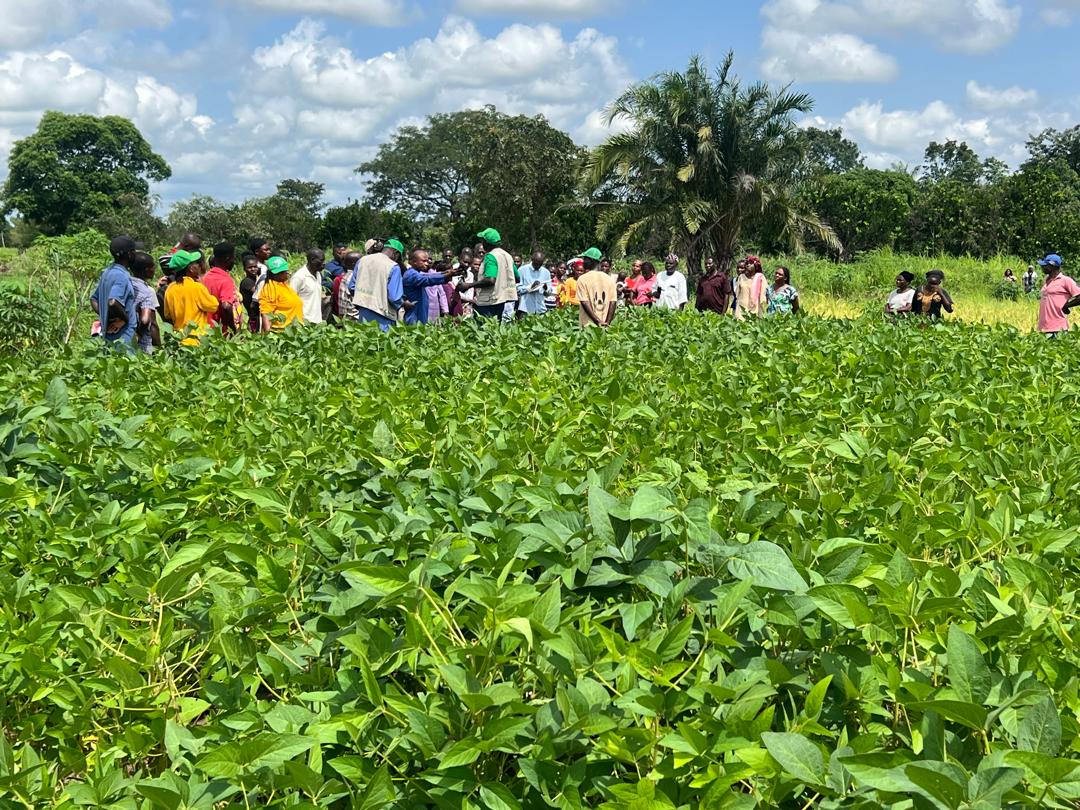
Political independence gave Nigeria the right to govern itself. Lived freedom means that a farmer can cultivate land without fear, a child can attend school safely, a young person can find decent work, a small business can grow without harassment or crippling costs, and families can obtain affordable healthcare. It means that citizens can benefit from the country’s resources rather than merely hear promises about them.
At 66, Nigeria must reject the idea that nation-building is a completed project. It is a continuing obligation. The country must invest deliberately in education, agriculture, healthcare, infrastructure, science, technology and innovation. Young Nigerians need real opportunities to develop their talents and participate in the economy. Women must have greater access to economic and political power. Small businesses need an environment in which they can survive, expand and create jobs.
Leadership will determine whether these priorities become reality. Nigeria needs institutions that function, public officials who are accountable and policies that are implemented consistently. Citizens also have responsibilities: to demand accountability, obey the law, reject corruption and strengthen their communities.
The Nigeria of tomorrow will not be built by the government alone. It will be built in classrooms, farms, laboratories, hospitals, businesses, workshops, newsrooms and communities across the country.
As Nigeria marks its 66th Independence anniversary, celebration must be matched by candour. The country should honour its resilience without romanticising its failures and recognise its achievements without ignoring the millions still excluded from their benefits.
The independence generation secured political freedom. The responsibility of today’s generation is to make that freedom real—to build a country where citizens are safe, opportunities are open and national resources serve the public good.
Nigeria has come a long way. But independence is not the destination. The unfinished task is to turn the promise of self-government into the reality of freedom for all Nigerians.