

By Otumala Paul
Rev. Fr. Hyacinth Alia at 60 is more than a birthday milestone; it is a moment for reflection on a life that has moved from the pulpit to public office, from pastoral care to political leadership, and from preaching hope to carrying the heavy burden of governance in one of Nigeria’s most complex states.
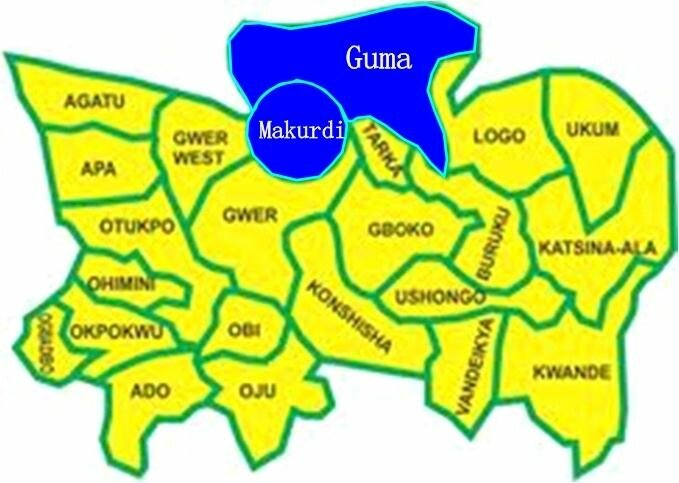
Born on May 15, 1966, in Mbangur, Vandeikya Local Government Area of Benue State, Alia’s story is rooted in faith, discipline, and service. Ordained a Catholic priest in 1990 by Bishop Athanasius Atule Usuh of the Makurdi Diocese, he spent decades in ministry, counselling, humanitarian work, and pastoral leadership before entering politics. His transition from priesthood to governance made history, becoming only the second Catholic priest to govern a Nigerian state when he assumed office as Governor of Benue State in 2023.
For many Benue citizens, Rev. Fr. Alia’s rise represented more than politics; it symbolized a longing for moral leadership in a season of public distrust. Long before contesting elections, he was known across communities for his pastoral outreach, humanitarian concern, and healing masses that drew thousands seeking spiritual comfort and hope. His reputation as a compassionate cleric built a reservoir of public trust that later translated into political support.
At 60, Governor Alia stands at an intersection of expectation and reality. Since assuming office in May 2023, his administration has focused on infrastructural renewal, industrialization, agricultural value addition, education, healthcare, and peace-building efforts in a state long troubled by insecurity and displacement. His government has pursued road projects, urban renewal, and efforts to strengthen economic activity around Benue’s agricultural strength as Nigeria’s food basket.
President Bola Ahmed Tinubu, while congratulating the governor on his 60th birthday, described his political journey as “faith made manifest,” praising his industrialization drive, infrastructural interventions, and peace initiatives in Benue. The President also acknowledged ongoing efforts in agriculture, healthcare, and education under Alia’s administration.
Yet, perhaps the greatest test of leadership for Rev. Fr. Alia has been managing the difficult realities of Benue’s security concerns, displaced communities, political divisions, and the demand for economic renewal. In such a climate, governance becomes not merely administration, but endurance. For a man shaped by priesthood, the expectations are unusually high. Citizens often look not only for political competence but also for moral clarity, empathy, and healing.
As he clocks 60, Rev. Fr. Hyacinth Alia represents a rare blend of spirituality and statecraft. Admirers see in him a leader seeking to redefine governance through compassion and discipline. Critics, as in any democracy, continue to measure promises against outcomes. But few would dispute that his journey has been remarkable: a priest who stepped into politics not for ceremony, but to confront the difficult questions of leadership.
60, therefore, is not merely a celebration of age. It is the story of a man whose life has become deeply intertwined with the aspirations of Benue people, a leader carrying both the hopes of a wounded land and the responsibility to justify the faith invested in him.
For Rev. Fr. Hyacinth Alia, the road ahead may be demanding, but at 60, his story remains one of conviction, resilience, and an enduring call to service.
Otumala Paul, a social developer and commentator, writes from Makurdi.