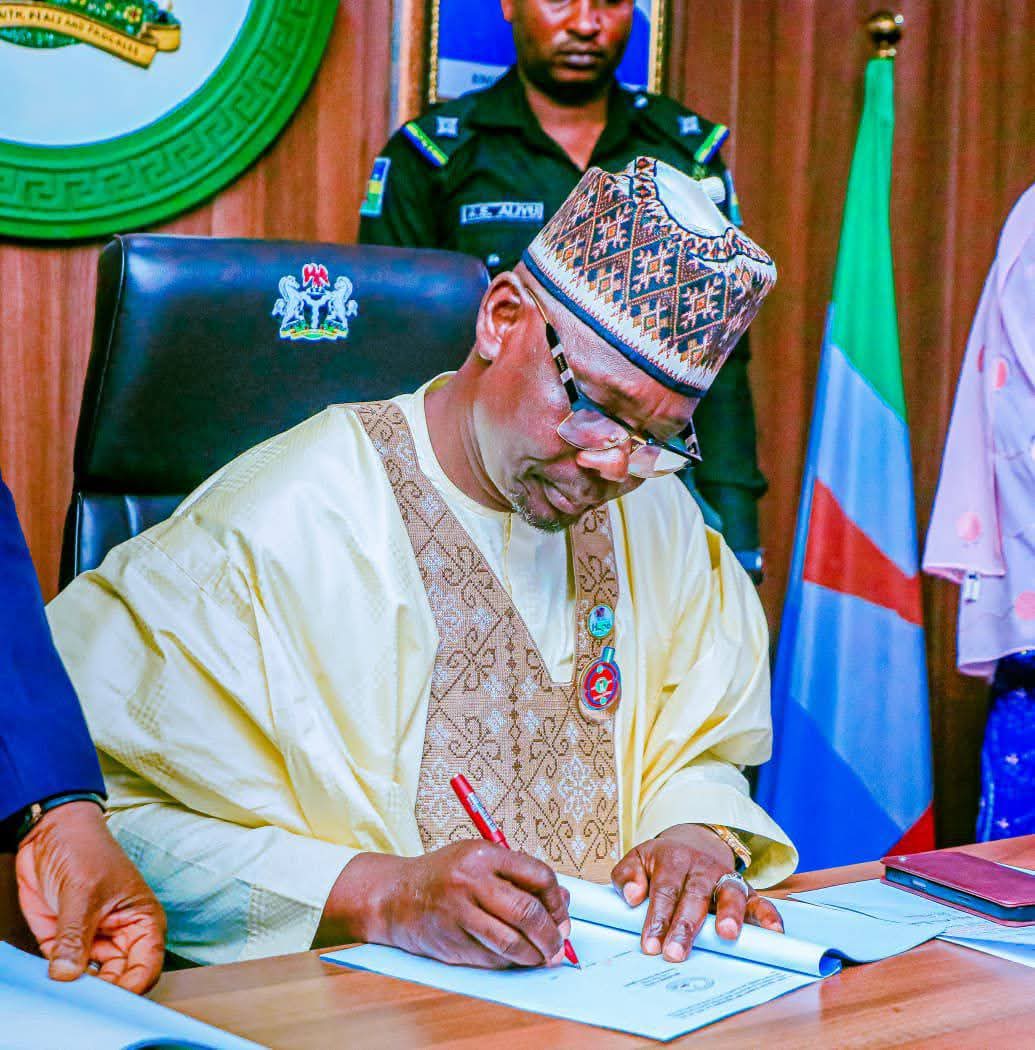


Bauchi State Government, through the Ministry of Budget and Economic Planning, in collaboration with the United Nations Children’s Fund (UNICEF) Bauchi Field Office, has organised a one-day media engagement to promote improved public financing for children’s wellbeing.
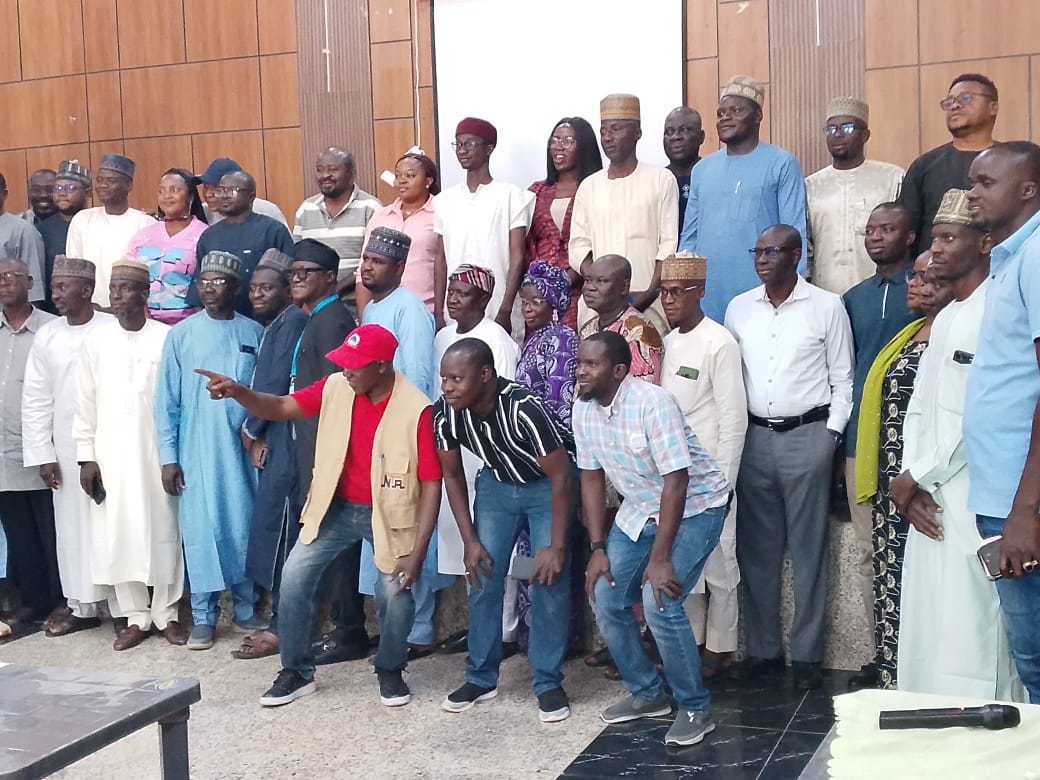
The workshop, which held on Monday brought together about 50 journalists from Gombe, Plateau and Bauchi states, focused on strategies for ensuring adequate funding and effective implementation of government programmes targeted at children.
The training, titled “Advocacy Efforts to Strengthen Public Financing for Children,” was aimed at equipping journalists with the knowledge and tools required to advocate for increased budgetary allocations and releases for children-focused programmes.
It was revealed that about 13.6 million children across Adamawa, Taraba, Gombe, Plateau and Bauchi states, covering 85 local government areas, lack access to some basic services and necessities required for their proper growth and development.
Addressing participants at the media engagement, the General Manager of the Bauchi Radio Corporation, Umar Muhammad Shira, who represented the state government, stressed the importance of adequate funding for children’s wellbeing.
Shira said the Bauchi State Government had prioritised appropriate funding for programmes and interventions designed to improve the welfare of children across the state.
Also speaking, UNICEF Chief of Field Officer in Bauchi, Abdurahama Ibrahim, urged journalists to consistently engage policymakers and demand greater investment in critical sectors, particularly health and education.
Ibrahim, an education specialist, charged journalists to use investigative reporting and other forms of reportage to draw attention to issues affecting children and hold policymakers accountable. “As journalists, you should hold policymakers accountable,” he said.
A UNICEF Social Policy Specialist, Dr. Yusuf Auta, who spoke on “Public Financing for Children,” said children constitute more than 51 per cent of Nigeria’s population, stressing the need for government at all levels to prioritise their welfare in budgetary planning.
Auta noted that some government policies and decisions do not adequately address the needs of children and women, calling for budgets that would comprehensively cover children’s needs from birth through education and other essential social services.
He urged governments at all levels to focus more on human capital development, saying greater investment in children would contribute to a brighter future for the country.
The social policy specialist also noted that northern Nigeria has the highest number of out-of-school children in the country, describing the situation as a challenge that requires urgent attention. He urged journalists to insist that policymakers not only allocate funds for children’s welfare but also ensure that such funds are released and effectively utilised.
According to him, budgetary allocations are often made on paper, but actual releases and implementation frequently fall short, with some programmes recording implementation levels of only about 40 percent.
Dr. Auta explained further that a budget could appear child-friendly on paper but still fail at the stages of fund release, procurement and frontline service delivery. He stressed that governments and parents have a shared responsibility to ensure that children’s basic needs are met and that they receive adequate care and protection.
Contributing to the discussion in a lecture, an Associate Professor of Development Economics, Ali Madina Dankumo, described the media as a critical driver of policy implementation.
Dankumo urged journalists to demand explanations from political office holders on how they intend to address challenges affecting children, including infant mortality, lack of access to education and other forms of vulnerability.
He also called for stronger government policies to prevent child molestation, abuse and other forms of violence against children.
The UNICEF Bauchi Field Office provides support and works across Adamawa, Taraba, Gombe, Bauchi and Plateau states.