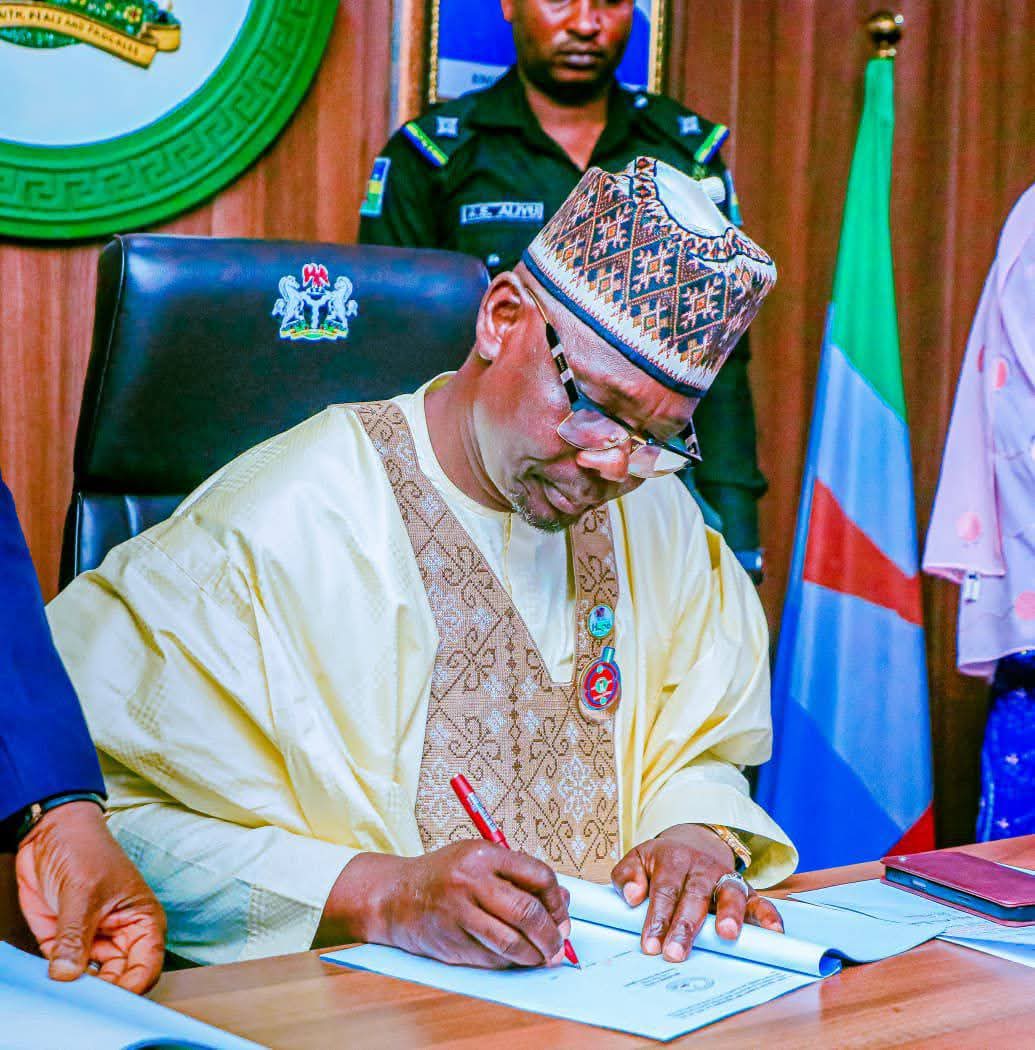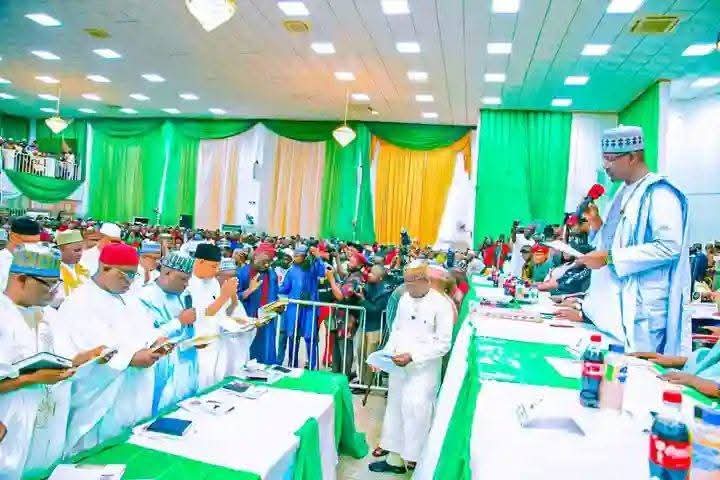


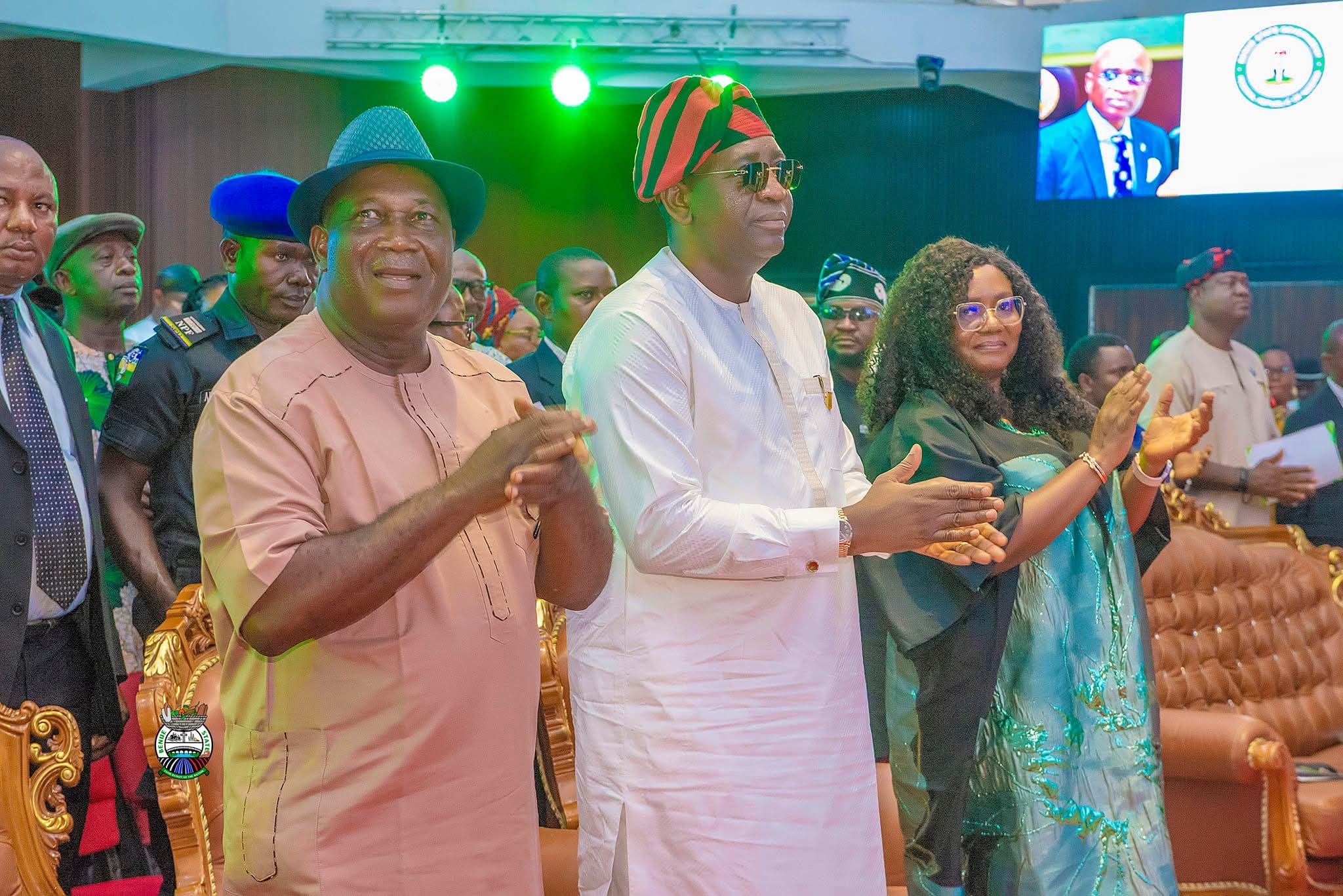
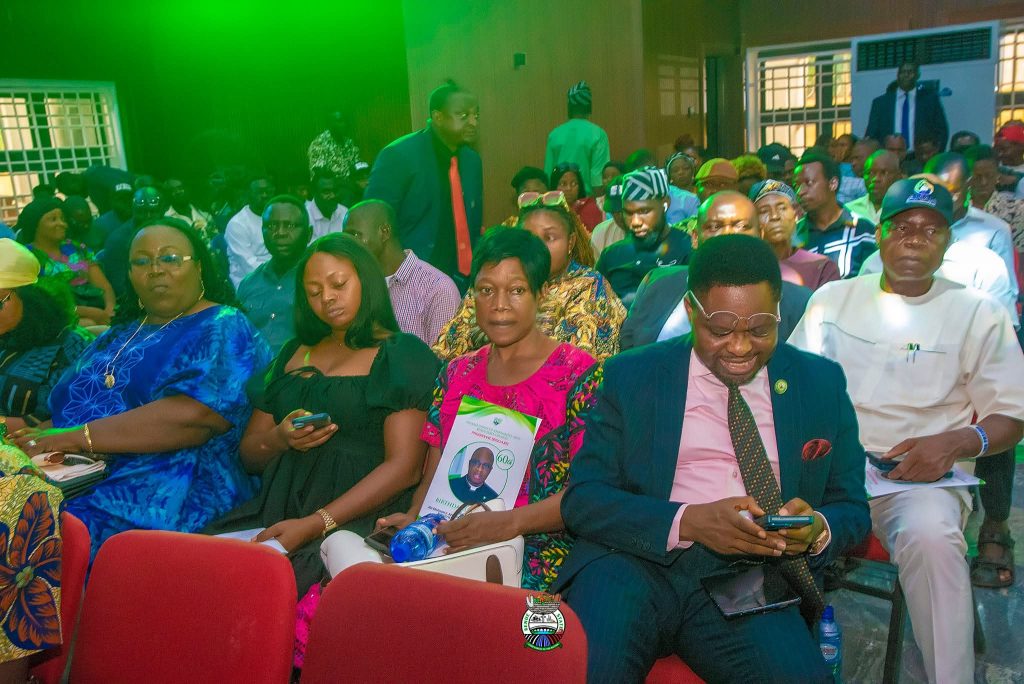
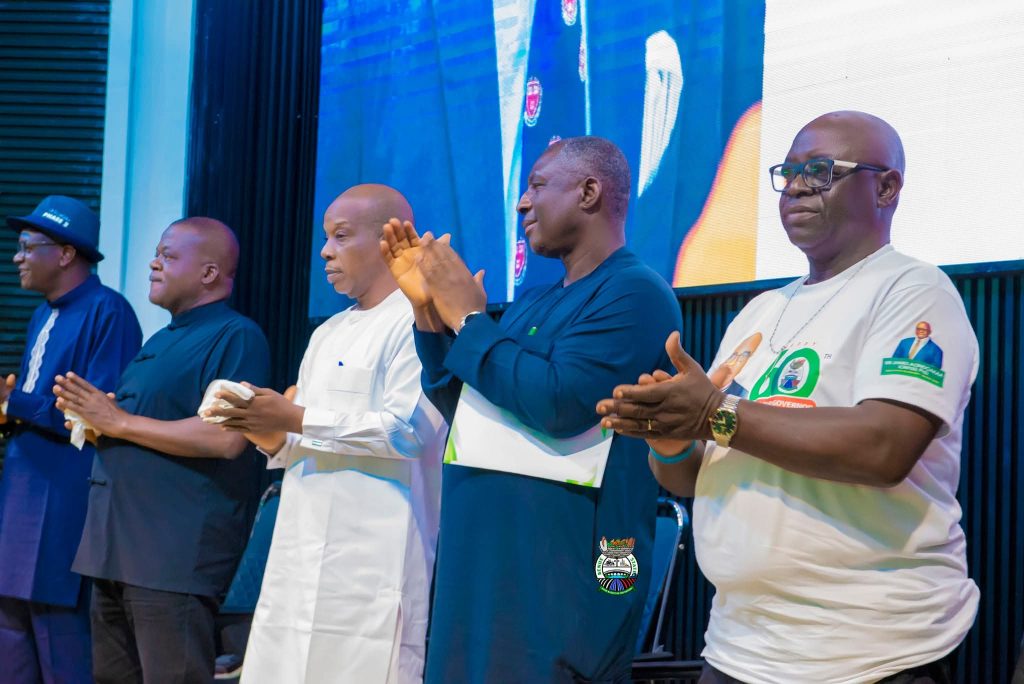
Benue State Governor, Rev. Fr. Hyacinth Alia, has pledged to intensify his commitment to public service as he marks his 60th birthday, while urging journalists to focus on constructive, fact-based criticism that serves the public interest.
The governor made the pledge on Thursday in Makurdi during a symposium organized by the Nigeria Union of Journalists, Benue Council at the Fr. Alia Ultra-Modern Conference Hall, Benue State Emergency Management Agency headquarters.
Governor Alia, who was represented by his deputy, Dr. Sam Ode, thanked the union for the gesture and described the media as “the compendium of public opinion.”
He said the media’s role in sustaining democracy was indispensable and called on practitioners to prioritize criticism that strengthens governance rather than narratives meant to tear it down.
“At 60, I am more convinced that the greatest asset of Benue State is the people,” Alia said. He acknowledged that governance demands patience and sacrifice, admitting he was not perfect, but affirmed his administration’s determination to improve service delivery despite prevailing insecurity and economic challenges.
Dr. Ode, speaking in his personal capacity, described Alia as a prudent and transparent leader who manages public funds “as if every kobo belongs to Benue State.” He also commended the governor for fostering a harmonious working relationship that has allowed him to contribute effectively to governance.
Declaring the event open, Chairman of the occasion and Secretary to the State Government, Deaconess Deborah Aber, described Alia as a leader whose life continues to inspire hope. She prayed for his continued health and wisdom.
In his remarks, Chief of Staff to the Governor, Barr. Moses Atagher, commended the NUJ for organizing the symposium and thanked guests and resource persons for their contributions.
Paper presenters at the symposium, including Prof. Chris Orngu and Prof. Fr. Vitalis Towel, highlighted the administration’s achievements in education, infrastructure, agriculture, humanitarian affairs among others, urging the governor to ensure a youth focus economic programmes with more emphasis on skills acquisition to enhance connectivity at the global level.
Dr. James Iorpuu, Permanent Secretary of the Ministry of Humanitarian Affairs and Disaster Management, described the governor as a man of integrity, discipline, and compassion, noting that interventions in the economy, infrastructure, and security had restored public confidence.
Also speaking, Director General of the Bureau for Special Projects, Prof. Gabriel Akpen, outlined ongoing projects and said implementation of the state’s strategic development plan was on course. He urged citizens to sustain their support for the administration.
Technical Adviser to the Governor on Media, Publicity, and Strategic Communication, Chief Solomon Iorpev, presented the governor’s profile, noting his background as a Catholic priest and academic.
Earlier in his opening remarks, NUJ Benue State Council Chairman, Comrade Bemdoo Ugber, said the symposium was meant to assess the governor’s stewardship over the past three years rather than simply mark his birthday. He noted that intellectuals, political stakeholders, academics, and journalists had gathered to evaluate the administration’s developmental strides.
Ugber said the union’s observation showed that the level of development achieved under Alia exceeded what many previous administrations accomplished over longer periods. He stressed that the commendation was based on “verifiable realities and undeniable facts.”
The NUJ chairman, however, appealed to the governor to assist with the renovation of the union’s secretariat, which he said had worsened with the rains. He also requested support in clearing over N15 million in outstanding debts covering dues and staff salaries, and asked for the council’s reinstatement on the official government protocol list.
Born on May 15, 1966, in Vandeikya Local Government Area of the state, Alia studied at St. Augustine’s Major Seminary, Jos, and later obtained postgraduate degrees from Fordham and Duquesne universities in the United States before entering politics.