

The Nasarawa State Government has taken a decisive step toward climate-resilient economic growth by training 59 citizens in biomass-based briquette production and clean cooking technology.
The government has therefore, declared a state-wide goal to transition one million households to clean cooking by the year 2030.
Speaking at the closing ceremony and technology showcase of an intensive two-day capacity-building workshop, the Director-General of Nasarawa State Human Capital Development Agency, Habiba Balarabe Suleiman, emphasised that the state has firmly shifted its approach from policy formulation to direct execution.
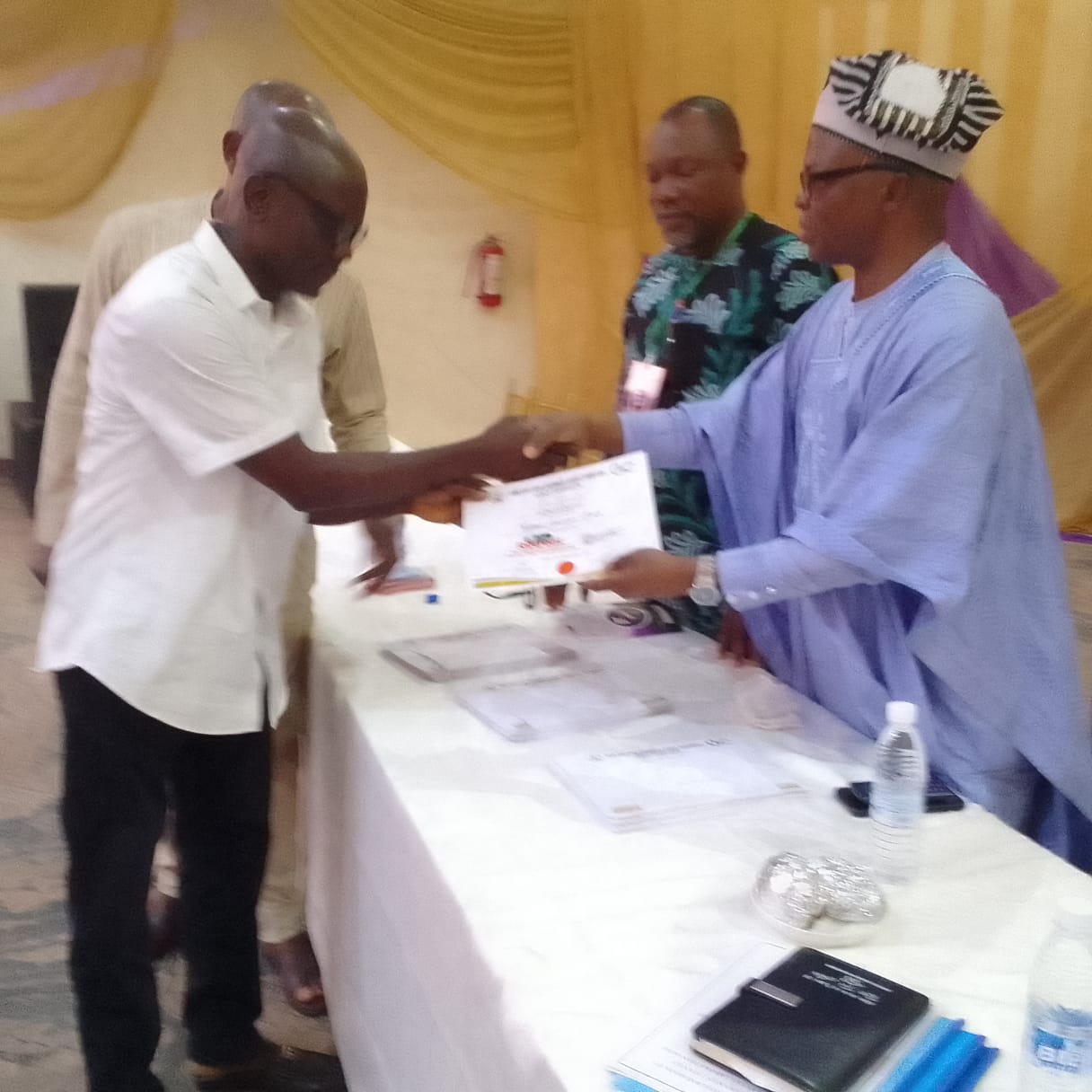
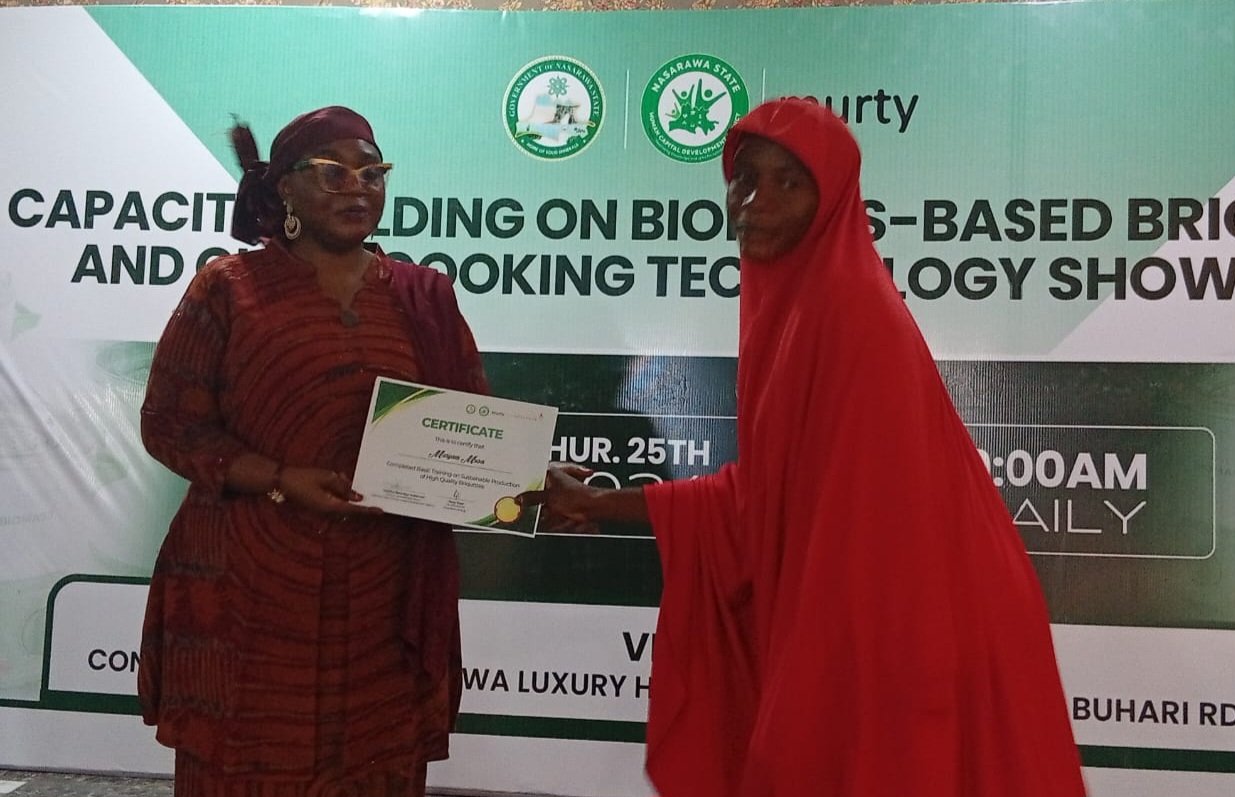
“We have put machines in the hands of our people, taught them a trade, assessed their competence, and today, we certify them as producers of clean cooking fuel”, Suleiman said.
She explained that the two-day practical training was conducted in collaboration with technical partners technical partners Murty International Limited and Power Stove Energy , and expert facilitator Dr. Ummi Kulthum Mohammed.
The DG stated that unlike conventional theoretical workshops, the 59 participants were fully immersed in the practical value chain of biomass production.
According to her, the curriculum covered feedstock selection, compaction, drying, quality control, packaging, market linkages, and accessing micro-finance.
Suleiman noted that turning agricultural waste into briquettes serves a dual purpose of environmental preservation and local wealth creation.
”This matters because biomass briquets turn what is presently waste, agricultural residue and biomass that would otherwise rot or be burned in the open, into clean affordable cooking fuel. They reduce pressure on our forest, cut the smoke that is harming our families, and create income and enterprise close to home.
“Clean cooking transition properly designed is not a cost to be borne. It is an economy to be built here in Nasarawa State,” she added.
The Director-General announced an official six-point commitment to institutionalise the clean cooking transition: making clean cooking the state’s immediate priority under the Nasarawa State Low Emission Development Strategy, supporting graduates to establish independent enterprises and utilising cooperative models to keep economic value within local communities.
Others include;addressing affordability and supply constraints while attracting private investment, microfinance, and development financing, placing those who carry the primary burden of domestic cooking at the forefront as entrepreneurs and decision-makers, accurately measuring reduced emissions and improved lives to unlock international carbon and climate funding as well as ensuring long-term progress through a dedicated steering committee and technical working group rather than treating the initiative as a one-off event.
Suleiman therefore challenged the graduates to view their certificates as a launchpad for enterprise.
“You are now the first cohort of a clean cooking workforce that this state intends to grow. Take what you have learned, build your enterprises, train others, and hold us to the commitments that I have made on this state’s behalf”, she said.
She re-emphasised the administration of Governor Abdullahi Sule’s focus on tangible outcomes, pointing to the stack of freshly produced briquettes in the hall.
On her part, Lead facilitator at the training,
Dr. Ummi Kaltume Mohammed, from the Department of Environmental Management at Bayero University, Kano said the capacity-building workshop focused on biomass-based briquette production and clean cooking technology.
Dr.Mohammed said the initiative aims to transition local communities away from traditional, harmful cooking methods like firewood and charcoal toward safer, eco-friendly alternatives.
”I was tasked with educating them about the dangers of our ‘business as usual’ practices of using firewood and charcoal, and why using briquettes or anything of biomass origin is more sustainable and healthier for our environment,” Dr. Mohammed stated.
She highlighted that the training did not just focus on the environmental relevance of briquettes, but also opened the eyes of the participants to the vast commercial opportunities embedded in green energy production.
In her interview with some participants, the Rahmatu Azizi Sani and Amina Aliyu noted that the training provided them with first actual hands-on manufacturing experience.
They also commended the State Government for targeting women who had no prior exposure to green technologies, noting that the skill acquisition serves a dual purpose, environmental protection and financial independence.