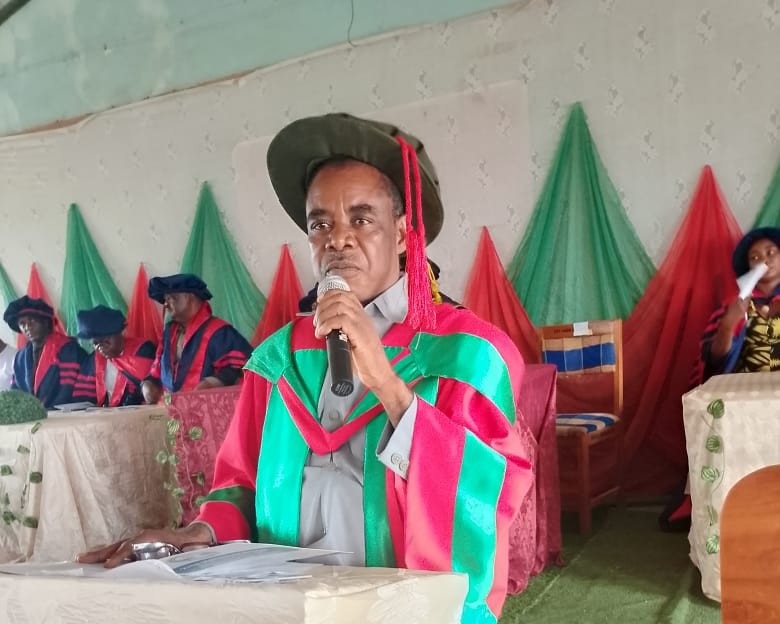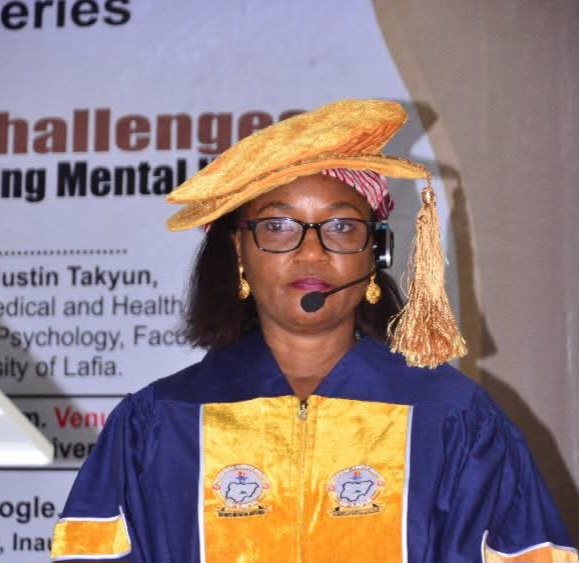



A Don in the Department of Counseling and Human Development at Nasarawa State University, Keffi (NSUK), Prof. Daniel Denga has warned Nigerians against over-reliance on artificial intelligence tools, saying it could severely compromise academic achievements.
Speaking on Thursday during a 2-day public lecture and interactive session organised by the Department of Guidance and Counseling, the Don said allowing technology to replace actual lecture attendance and active participation would be very harmful to academic achievements.
Delivering a keynote presentation titled, “Students’ poor academic performance in Nigerian universities: Reasons and possible interventions$, he emphasised that true academic success relies heavily on critical thinking, original thoughts, and deep engagement outcomes best fostered through conventional learning environments.
He noted that delegating assignments entirely to AI creates a false sense of mastery, where students achieve high grades on paper but lack genuine understanding of the subject matter.
To avoid this, “competency illusion”, he urged undergraduates to treat AI as a secondary aid rather than a primary solution.
Denga identified several other drivers of students failure across Nigerian tertiary institutions, including: Proxy attendance signing and habitual class skipping , relying entirely on classmates rather than personal efforts as well as stress caused by socio-economic hardships, substance abuse and broader societal pressures that impair concentration.
To tackle these issues, Denga called on faculty members to identify struggling students early and provide targeted tutorial support.
Also speaking at the event, NSUK Vice-Chancellor, Prof. Sa’adatu Liman, represented by Acting VC, Prof. Makwin Makut highlighted that poor academic performance stems from systemic institutional challenges as well as student habits.
She pointed to overcrowded classrooms, obsolete instructional techniques, and weak mentorship frameworks as key contributing factors.
Prof. Liman affirmed the institution’s commitment to revitalising its academic support systems by enhancing departmental counseling, adopting student-centered teaching methodologies, and maintaining academic standards with empathy.
On his part, Head of Guidance and Counseling Department, Prof. Tunde Oke, explained that the event was organised to address a widespread decline in students performance across Nigerian universities.
He stressed that the department’s primary focus remains therapeutic intervention and proactive guidance to help students refocus on their educational objectives.