

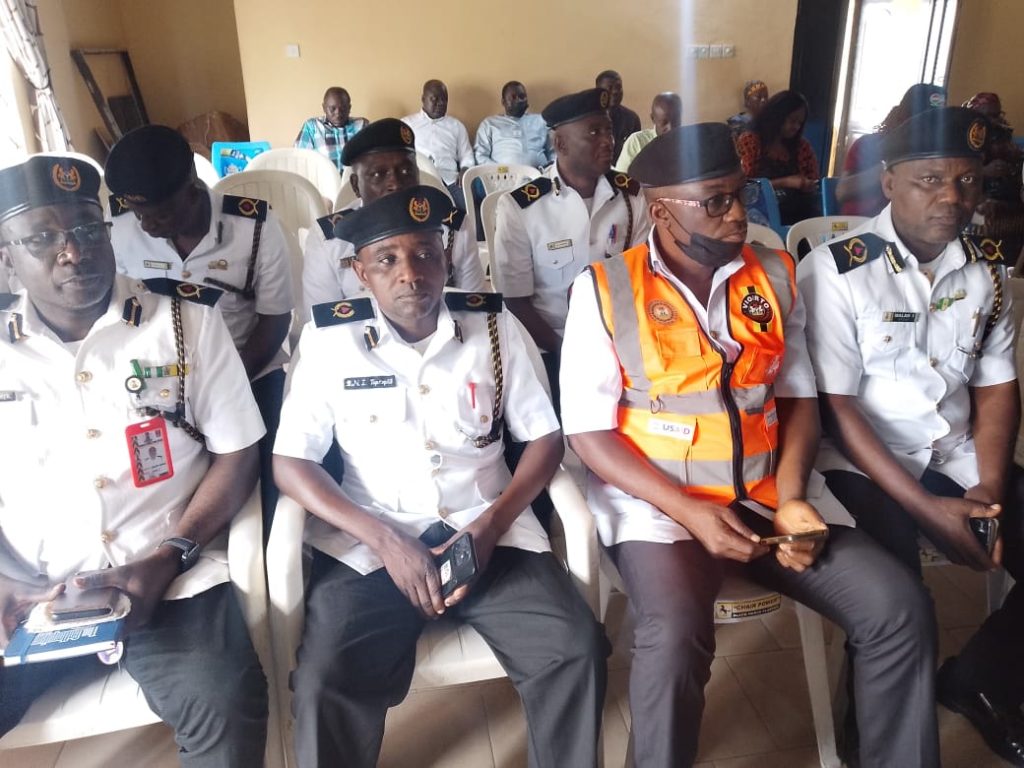
The Plateau State Government has announced plans to reorientate officials of the Vehicle Inspection Office (VIO) on the principles and procedures governing vehicle inspection, particularly on how to relate with road users.
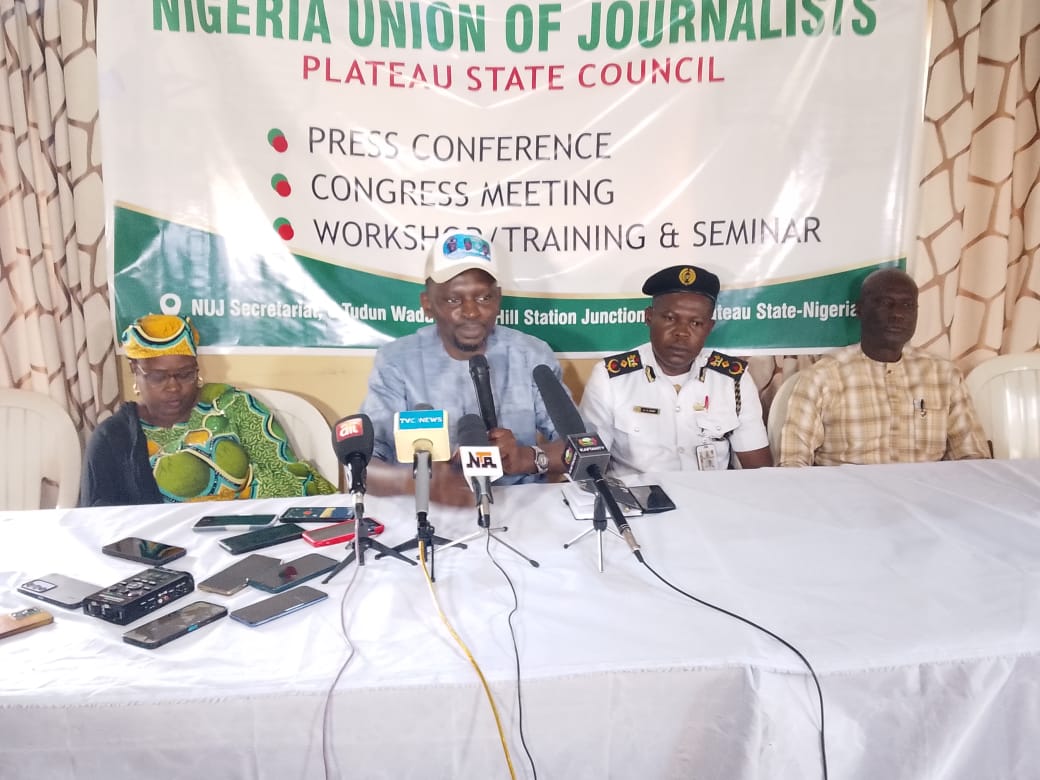
The Commissioner for Transport, Mr Gyang Davou Jatau, disclosed this on Wednesday during an interaction with journalists at the Nigeria Union of Journalists (NUJ), Plateau State Council.
Jatau expressed concern over a recent incident involving VIO officials and some road users, which reportedly resulted in an exchange of blows and physical assault.
It will be recalled that VIO officials in Plateau State recently had an altercation with some road users, leading to physical confrontation. The development prompted the state government to suspend their field operations.
The Commissioner appealed to journalists to educate members of the public on the importance of submitting their vehicles for inspection, stressing that the exercise was aimed at safeguarding lives and property.
According to him, the activities of VIO officials are not primarily designed for revenue generation, contrary to the perception held by some members of the public.
Jatau also dismissed allegations that VIO officials were operating in defiance of a court order restraining their operations.
Speaking on allegations of selective operations by the VIO on some routes within Jos, the state capital, the Commissioner said the claim was inaccurate.
On the benefits of the government-introduced metro buses, Jatau said there were plans to extend their operations to rural routes to improve transportation for residents in the hinterland.
Regarding the proposed adoption of Compressed Natural Gas (CNG)-powered vehicles as encouraged by the Federal Government, the Commissioner said the Plateau State Government was also considering the introduction of cable cars as part of efforts to improve transportation in the state.
On the activities of commercial tricycles, popularly known as Keke, on highways, Jatau noted that some operators were contravening existing regulations restricting their operations on certain routes.
Earlier, the Chairman of the NUJ, Plateau State Council, Comrade Ayuku Pwaspo, told the Commissioner that journalists in the state had continued to report and publicise government activities.
She, however, stressed that journalists also had a responsibility to hold the government accountable for its actions and policies in the interest of the citizenry.
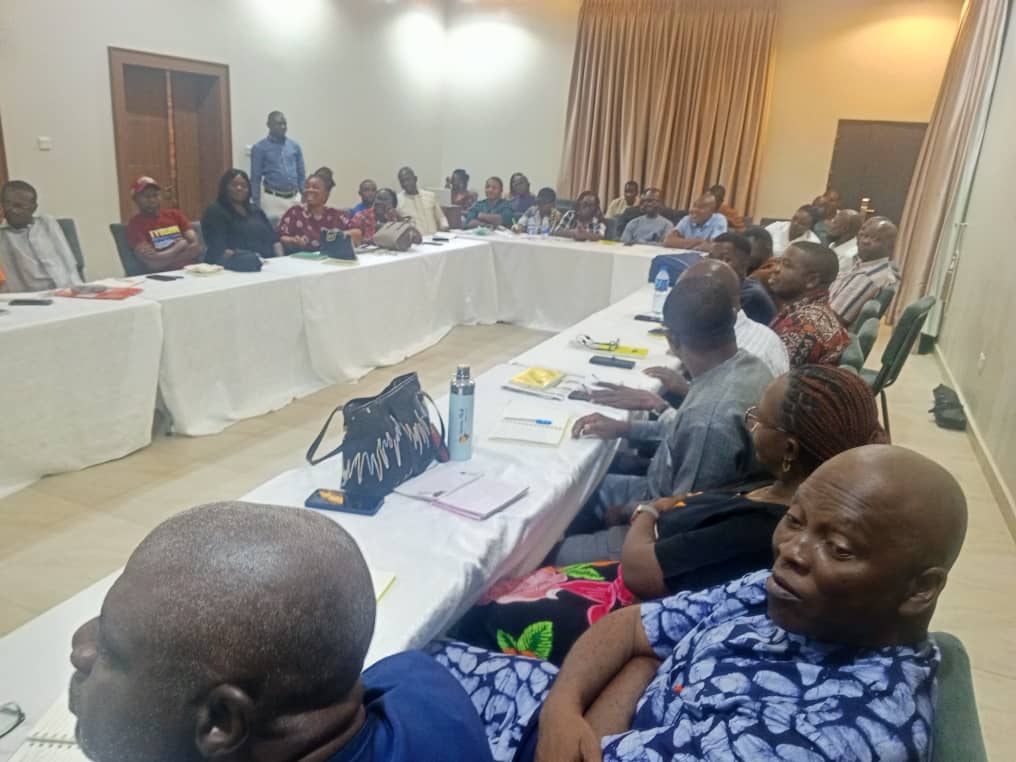
The interaction also provided an opportunity for journalists to recount some of their personal experiences and grievances regarding encounters with VIO officials in the course of their duties.