

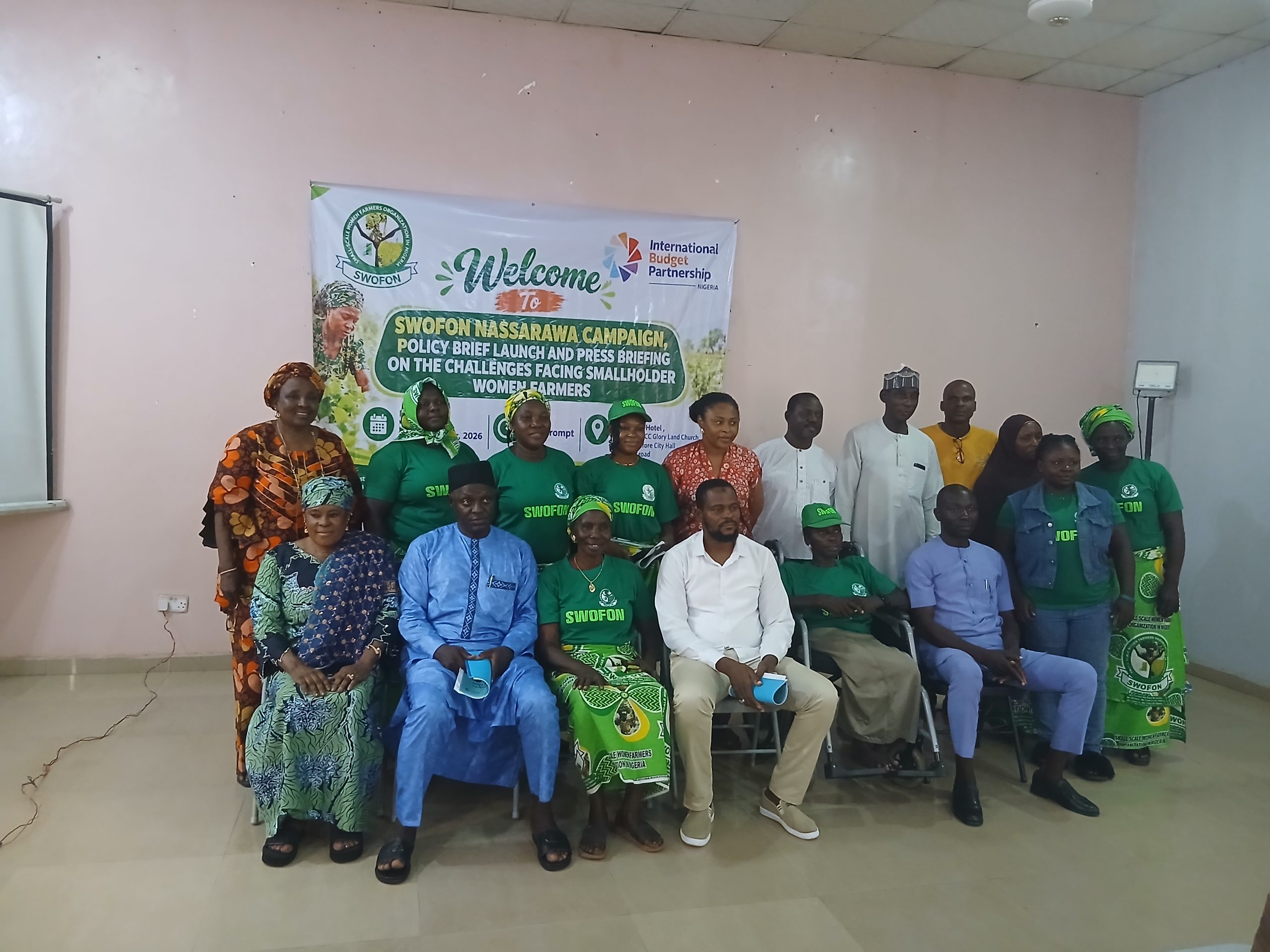
The Small-Scale Women Farmers Organisation in Nigeria (SWOFON), Nasarawa State Chapter, has called on the State government to urgently take steps to transit from participatory budget engagements to dedicated, costed agricultural allocations for women farmers.
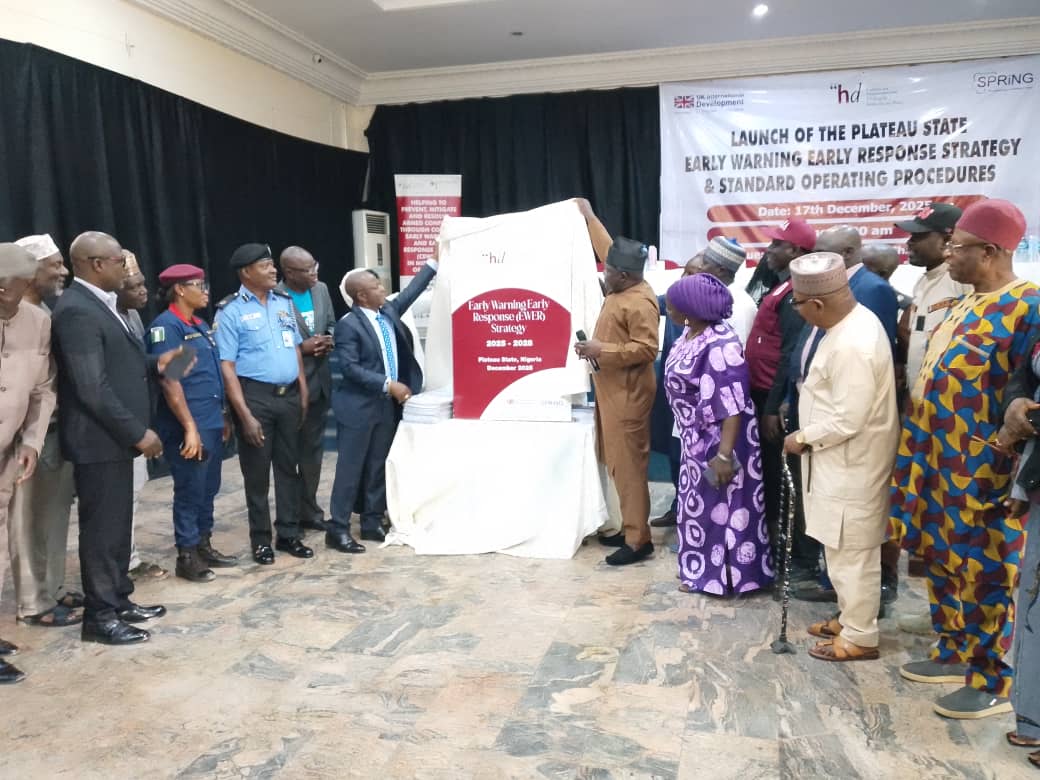
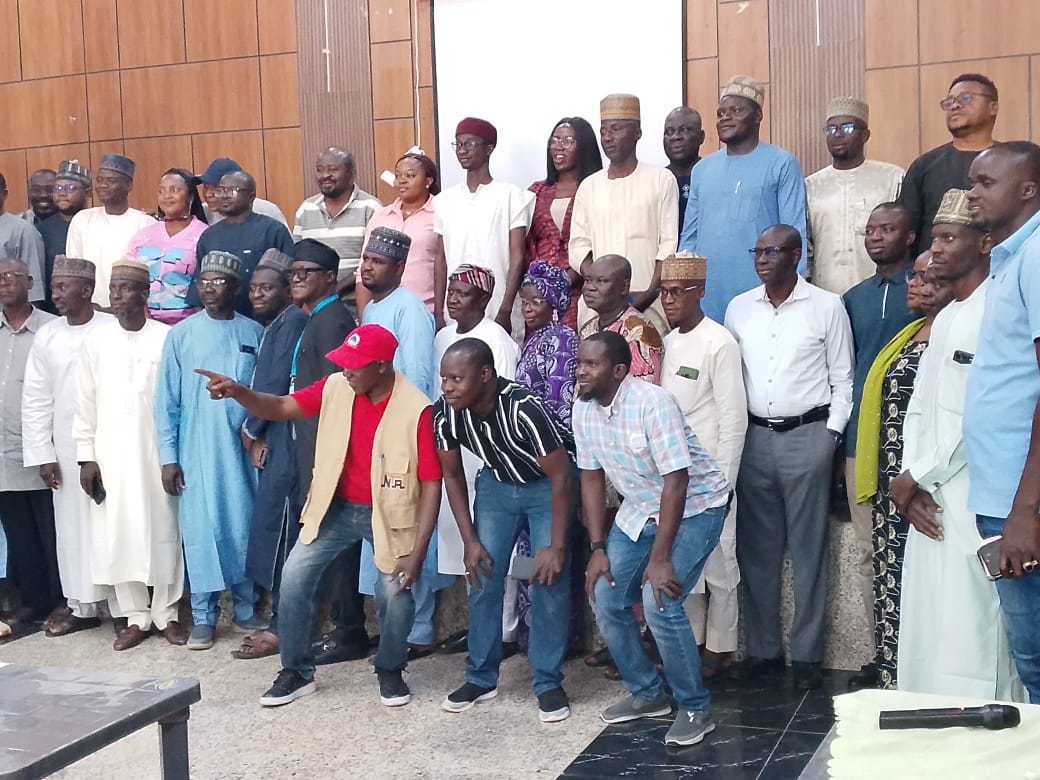
The demand was made during the official launch of a policy brief titled “Accelerating Women Farmers Impact Towards Food Security,” held in Lafia on Wednesday.
Presenting the organisation’s position, SWOFON, Nasarawa State Coordinator, Jummai Yohanna, acknowledged the state’s progress in involving women farmers in annual budget town halls and hearings.
She emphasised that the engagements were yet to translate into specific, traceable budget line items tailored to women’s agricultural needs.
”Acknowledging priorities is different from budgeting for them.For accountability, each major demand should be traceable to a responsible Ministry, Department, or Agency, a clear budget line, approved and released amounts, implementation locations, beneficiary numbers, and evidence of delivery. Nasarawa needs to move from participation to stronger budget responsiveness, implementation, and measurable delivery,” Yohanna stated.
Yohanna outlined key action points for state and local authorities, including: extending SWOFON’s budget participation across all 13 local government areas with documented feedback mechanisms.
Translating land allocations such as the communal land in Kokona and equipment requests into explicit, costed budget lines across relevant MDAs.
Mandating clear gender breakdowns for all government distributions of fertiliser, seed, machinery, and credit.
Pairing land access with legal documentation, rural access roads, processing machinery, and climate-resilient storage infrastructure.
Providing targeted, affordable mechanisation services and improving security for farming communities facing localised conflicts.
She also called on the State Assembly to play a role in scrutinising Agricultural allocations and implemention of the state annual budget in order to secure the future of agriculture in the state.
Presenting an impact assessment conducted between 2019 and 2025 by SWOFON and the International Budget Partnership (IBP), Hajara Ramson, SWOFON’s National Secretariat Monitoring and Evaluation Officer, noted that agriculture accounted for an average of just 5.82% of Nasarawa State’s approved budgets between 2021 and 2025. This falls well short of the 10% benchmark recommended under the African Union’s Maputo and Malabo Declarations.
Ramson pointed out that while Nasarawa recorded a 72.6% capital budget execution rate in agriculturethe highest among the five focal states assessed (Nasarawa, Niger, Anambra, Oyo, and Jigawa) critical needs remain underfunded.
”For instance, while communal land at Kokona LGA was allocated as a partial response to SWOFON’s Charter of Demands, no specific, traceable line item was created in the state budget to support its development.
“Additionally, past input distributions reached only a small fraction of SWOFON’s 2,000 state members, highlighting a gap in scale and reach,” Ramson added.
Responding on behalf of the government, the Director of Agricultural and Engineering Services at the Nasarawa State Ministry of Agriculture, Mrs. Lydia Habila Kyari, praised SWOFON’s persistent advocacy and assured members of the ministry’s dedication to gender inclusion.
”If there are no farmers in the nation, there is no food. We support all women and persons with disabilities to be included in agricultural activity so as to increase food security across Nasarawa State. Our doors remain open to ensure women farmers are supported,” Kyari noted.
Addressing challenges around state-level fertiliser distribution, Mr. Umar Jibrin Nuhu, Programme Manager of the Nasarawa Agricultural Development Programme (NADP), explained that distribution channels previously relied heavily on federal interventions routed through local government structures and umbrella associations like the All Farmers Association of Nigeria (AFAN).
He urged women farmers to engage directly with agricultural development agencies for certified inputs and technical assistance.
”Smallholder women farmers play a vital role in food production, household livelihoods, and local economies.When it comes to seeds, saved seeds are just grains. To achieve proper yields, farmers ought to come to NADP for procurement of labeled, improved inputs and extension guidance,” Nuhu noted.
Mr. Muhammad Bashir, representing the Federal Ministry of Agriculture and Food Security, commended SWOFON members who participated in federal home gardening initiatives, noting that updates on their yam harvests were shared with headquarters to high praise.
Representing the Commissioner for Budget and Economic Planning, Hon. Ahmed Yakubu, the Deputy Director of Budget, Mr. Ezekiel Achiaku, urged SWOFON to engage early with sector MDAs as the state kick-starts its upcoming budget formulation process.
”Whatever you deliberate with the relevant MDAs and they include in their submission, we at the Budget Department will ensure it is retained in the budget.Without farmers, our survival becomes questionable,” the commissioner assured.
The Voice reports that SWOFON is a nationwide coalition representing over 500,000 smallholder women farmers across Nigeria’s 36 states, established in 2012 with support from ActionAid Nigeria.
Between 2019 and 2025, the International Budget Partnership (IBP) partnered with SWOFON under the SPARK initiative to strengthen women farmers’ capacity to engage state budget processes and secure agricultural resources across five focal states: Nasarawa, Niger, Anambra, Oyo and Jigawa.