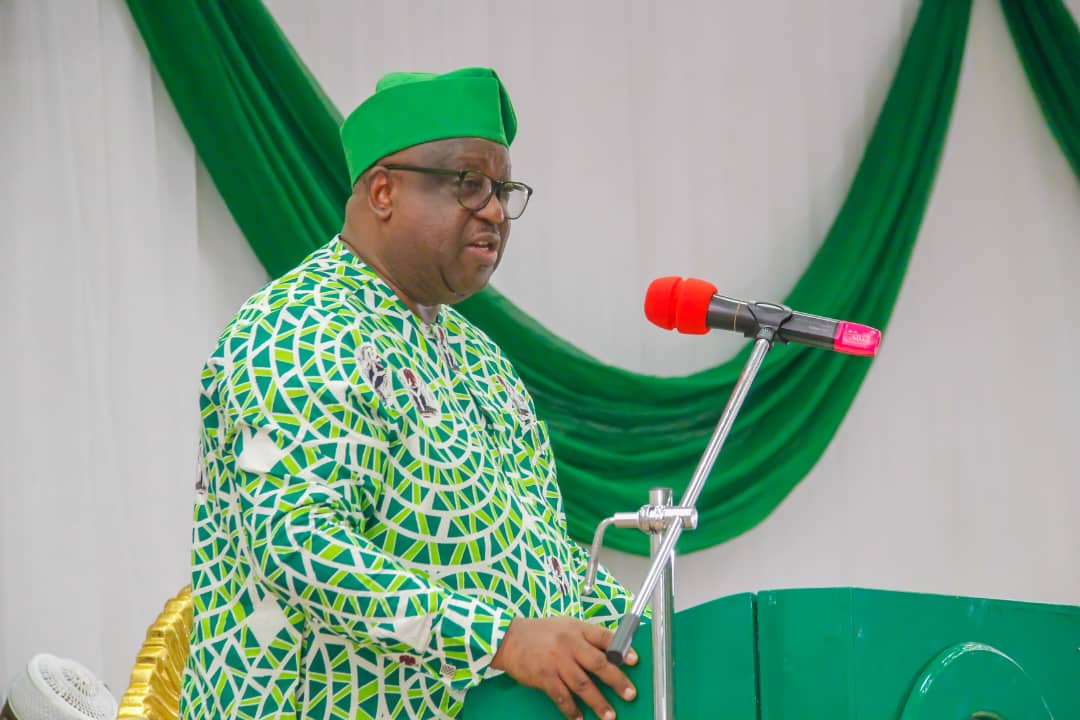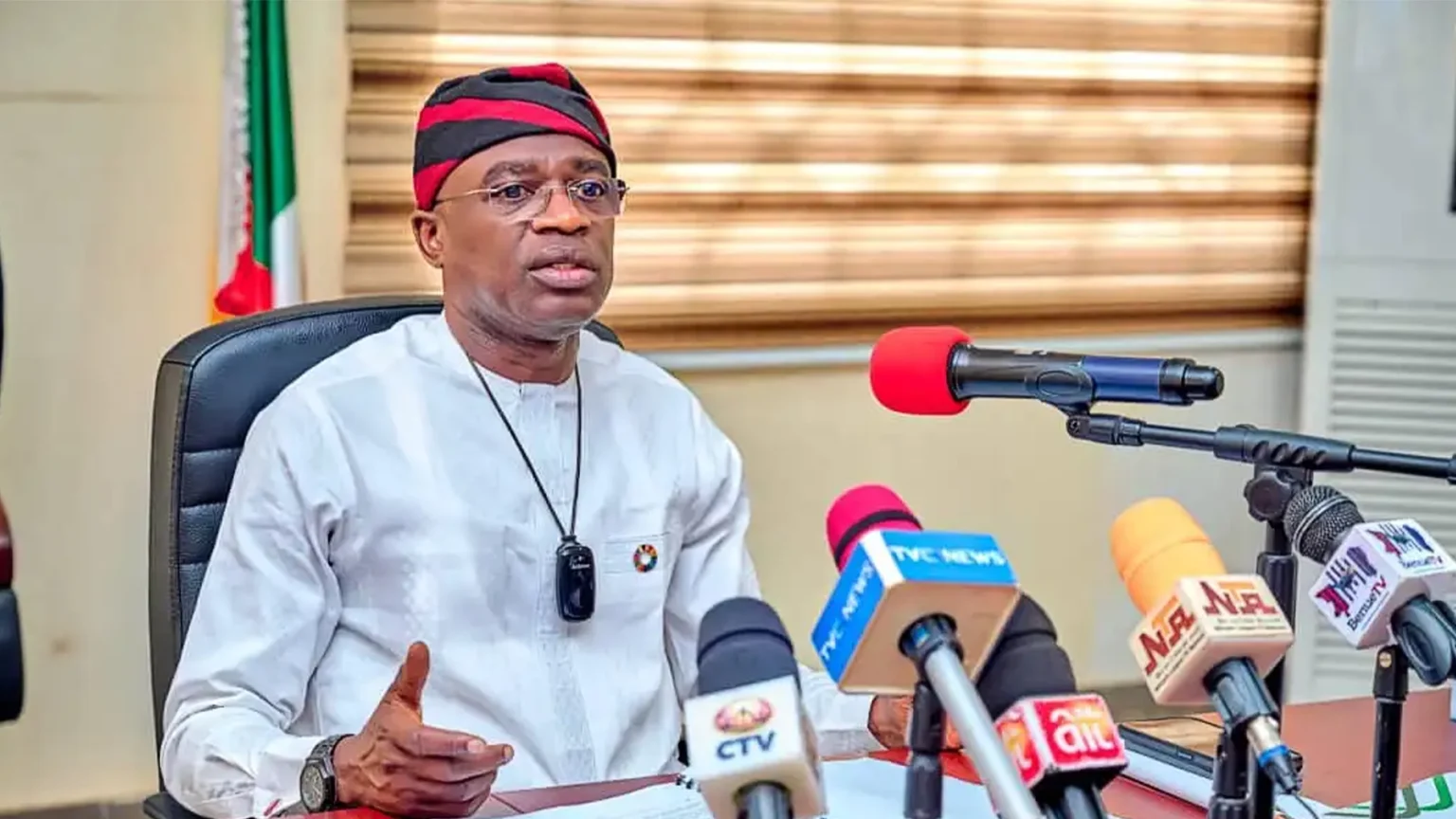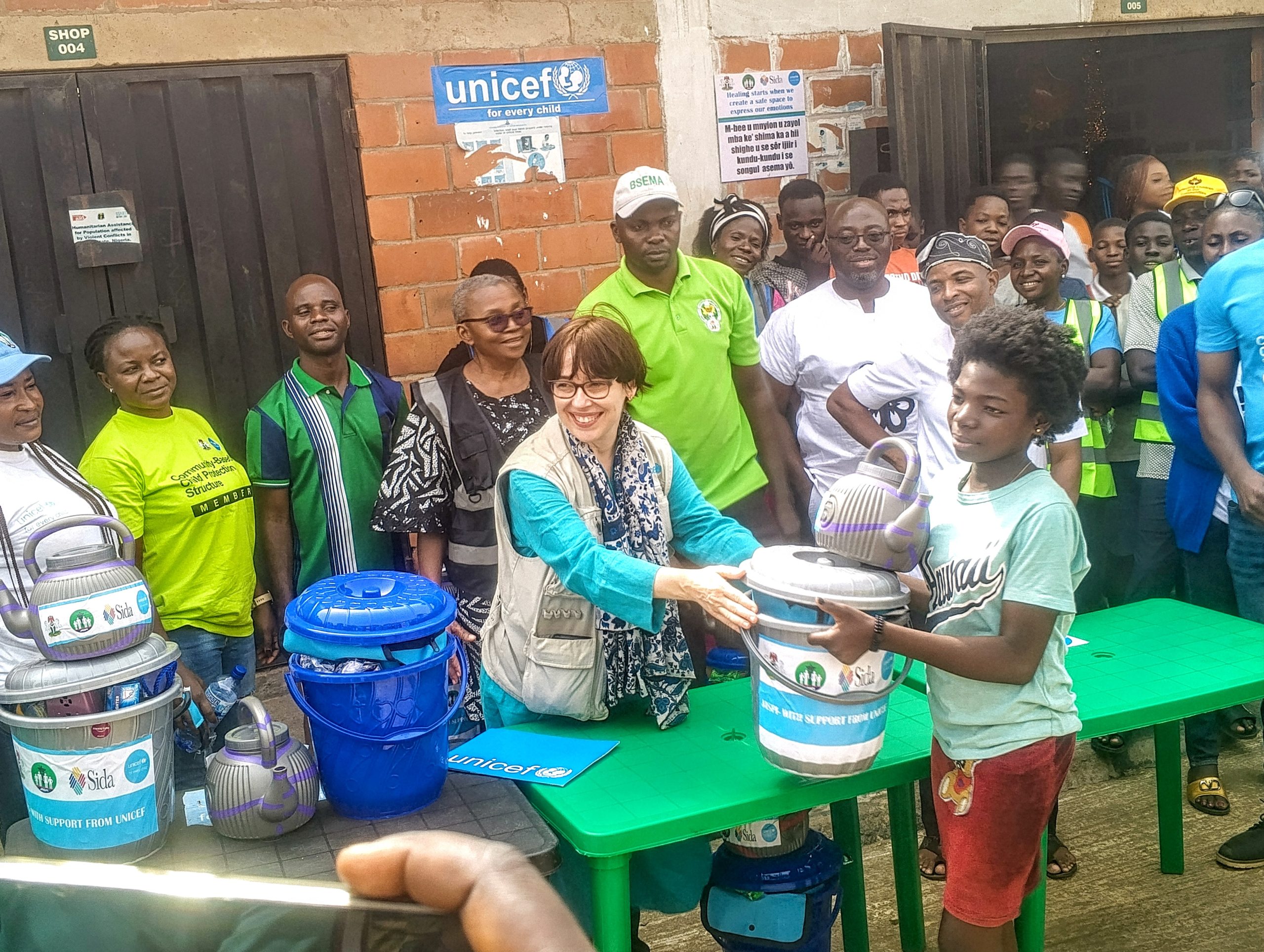


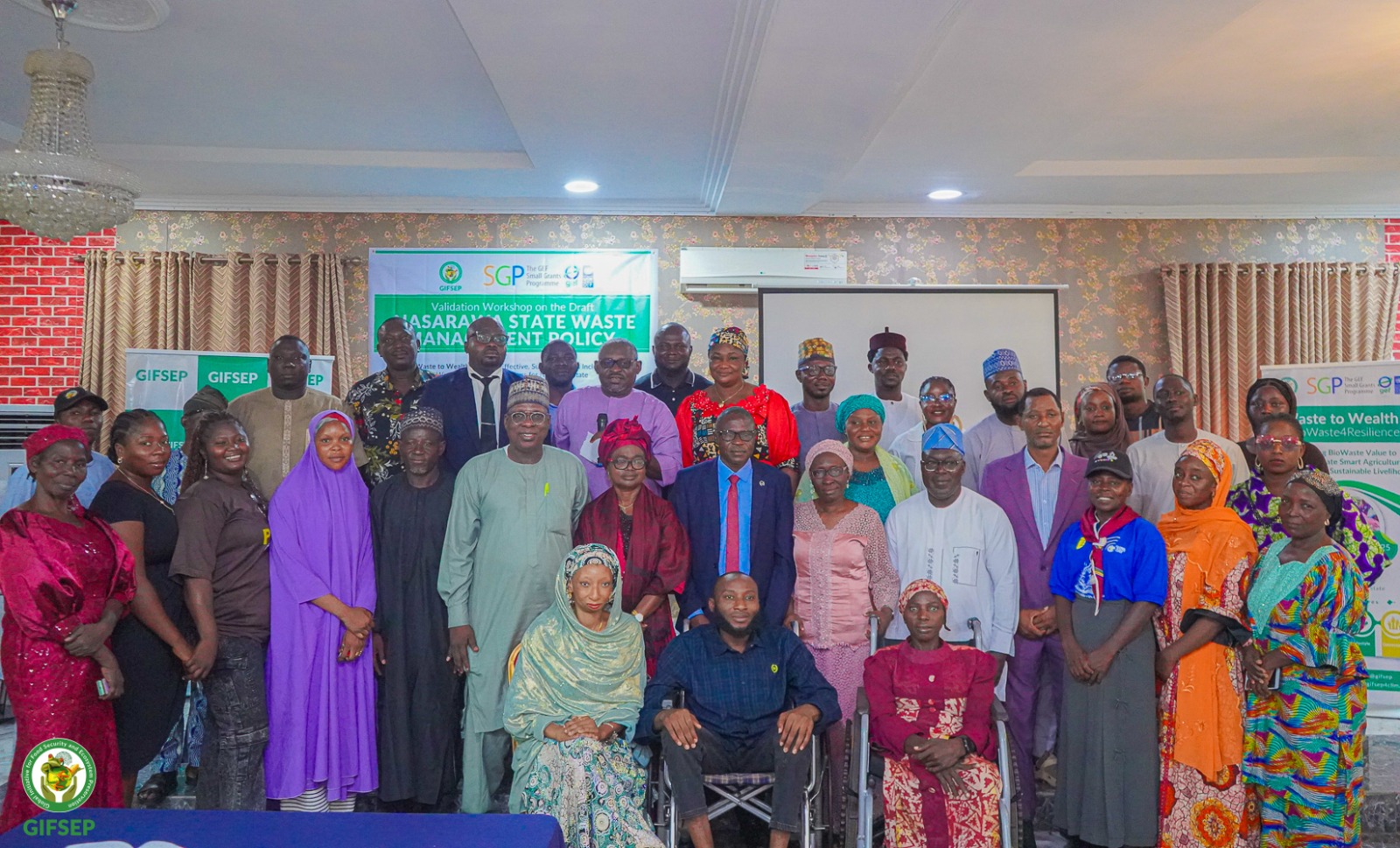
The Global Initiative for Food Security and Ecosystem Preservation (GIFSEP) in collaboration with Nasarawa State Government and Private Sector on Wednesday gathered in Lafia for a critical validation workshop to review the draft of the Nasarawa State Waste Management Policy.
The workshop, themed “Waste to Wealth: Building Effective, Sustainable, and Inclusive Waste Management,” seeks to transform the state’s approach to environmental sanitation from a burden into an economic opportunity.
Speaking during the workshop, the Executive Director of GIFSEP, Dr. Michael Terungwa David, raised the alarm over Nigeria’s escalating waste crisis, describing it as a “silent emergency” that requires urgent policy intervention.
Dr. David warned that the current trend of indiscriminate dumping and burning of waste is no longer sustainable for public health or the environment.
He revealed startling statistics regarding Nigeria’s waste landscape, noting that the country generates approximately 32 million tonnes of municipal solid waste annually, despite being one of Africa’s largest waste producers, the nation formally collects only 20–40% of its refuse.
Dr David said the report highlighted that urban centres such as Lafia, Keffi, Karu, and Nasarawa are the primary contributors, with waste streams ranging from food and plastics to hazardous electronic and hospital waste.
The GIFSEP Executive Director emphasised that the environment does not need humans to survive, but humans are entirely dependent on a healthy environment. He argued that addressing waste is not just an ecological duty but an economic opportunity.
He said the benefits of the new Policy framework would address public health while reducing breeding grounds for malaria, cholera, and typhoid as well as
attract private sector investment and creating jobs through recycling.
He commended the Nasarawa State government for its previous success in passing the State Climate Change Policy and urged for similar decisiveness in implementing this waste management framework.
Also speaking, Dr. Ibironke Olubamise, the National Coordinator of the United Nations Development Programme (UNDP) – Global Environment Facility (GEF) Small Grant Programme, emphasised that the era of viewing waste as mere “trash” was over.
She highlighted the consequences of ignoring modern waste practices, warning that dirty environment not only risks public health but can make the government appear dysfunctional.
According to her, specific environmental threats such as urban flooding was due to blocked drainages caused by plastic and organic waste, adding that infrastructure decay causes recurrent floods which submerge roads and destroy property.
“Poor waste handling continues to negatively impact daily social and economic activities”, she said.
Dr Olubamise further stated that the proposed policy shift focuses on Waste to Wealth, a strategy designed to generate revenue through the composting of organic waste and the recycling of plastics and scrap metal.
She , therefore called on government
to implementing strict policies to ban or regulate single-use plastics as well as
train youth and women in basic processing and business skills to ensure community-wide participation.
On her part, Commissioner for Environment and Natural Resources, Dr Margaret Elayo, said that the current framework, developed over a decade didn’t fully address plastic waste, organic waste and climate-linked waste streams.
Commissioner, represented by Mr Ede Yakubu, Permanent Secretary in the Ministry noted that the draft policy aligns with the Climate Change Act 2021 and the Sustainable Development Goals.
“Let us use this opportunity to set a new standard for waste management in Nasarawa State—one that protects public health, safeguards our environment, and creates green jobs for our people,”
She said.
The Voice reports that stakeholders at the meeting drawn from both private and Government Ministries, Departments and Agencies ( MDAs) promised to sustain the partnership between the government, private sector, and donor agencies to ensure the policy translates into a cleaner, wealthier Nasarawa State.
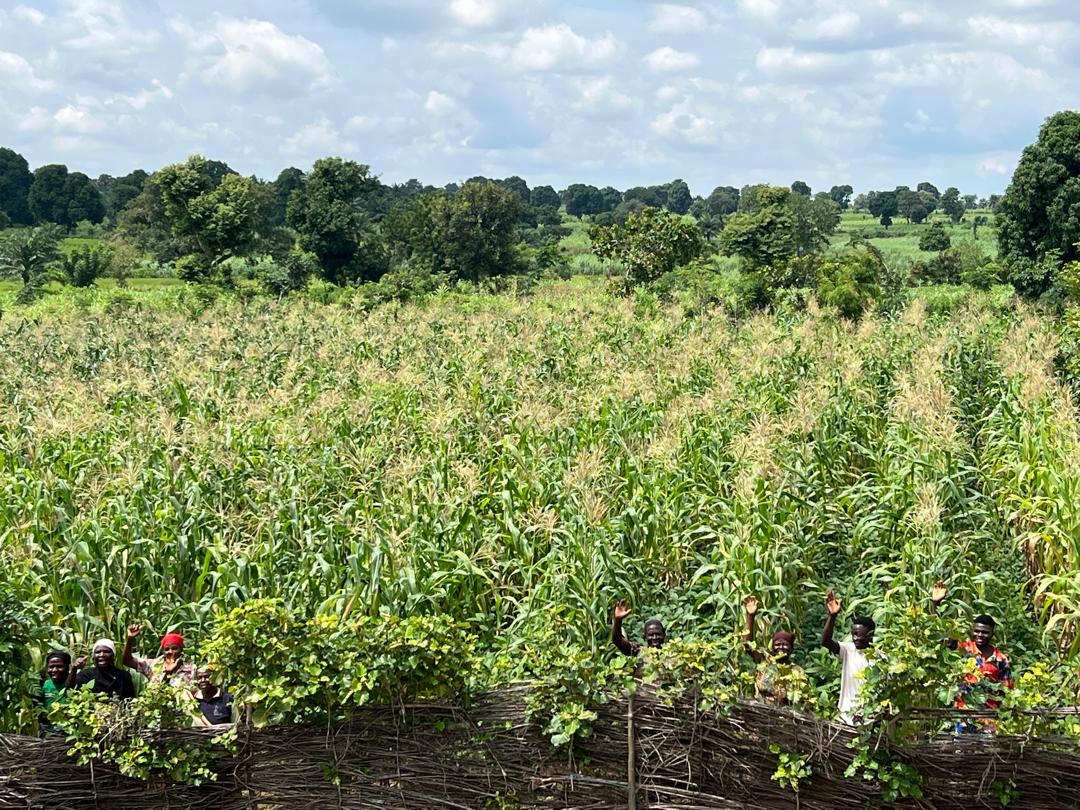
The validation workshop is part of a project entitled “Waste to Wealth: Harnessing Bio-Waste Value to Enhance Climate-Smart Agricultural Production and Sustainable Livelihoods” and is supported by UNDP- GEF Small Grants Programme.