

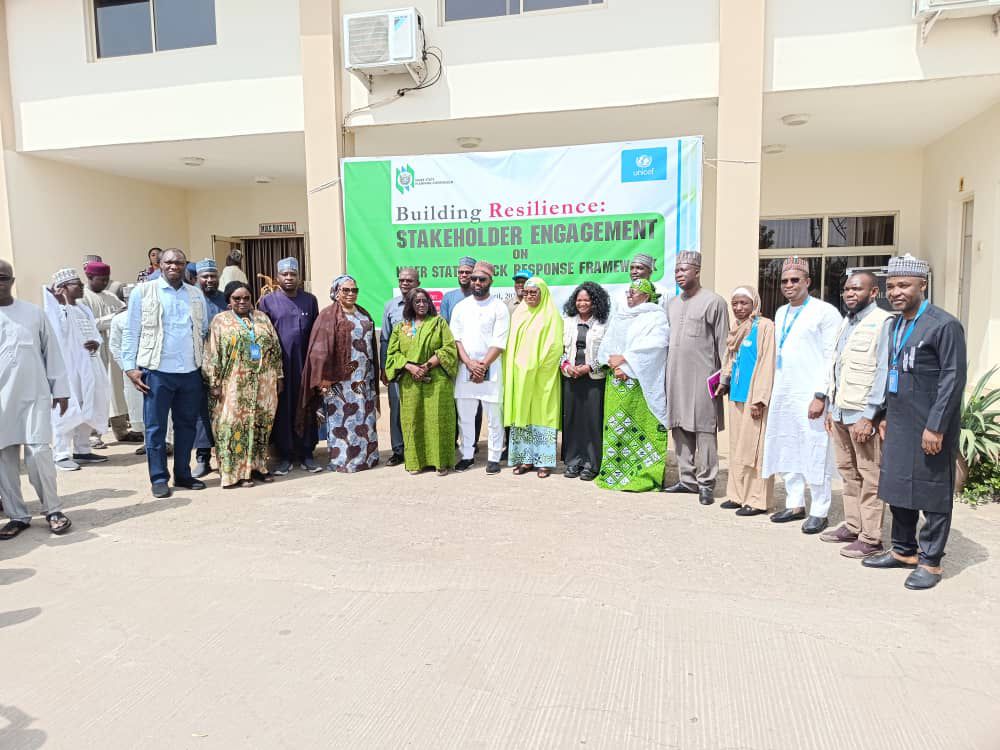
The Niger State Government has announced plans to strengthen its disaster preparedness and response mechanisms as part of efforts to mitigate the impact of potential emergencies, including flooding expected in parts of the country.
This follows a recent warning by the Federal Government that 33 states may experience flooding this year, raising concerns over vulnerability in flood-prone areas such as Niger State.
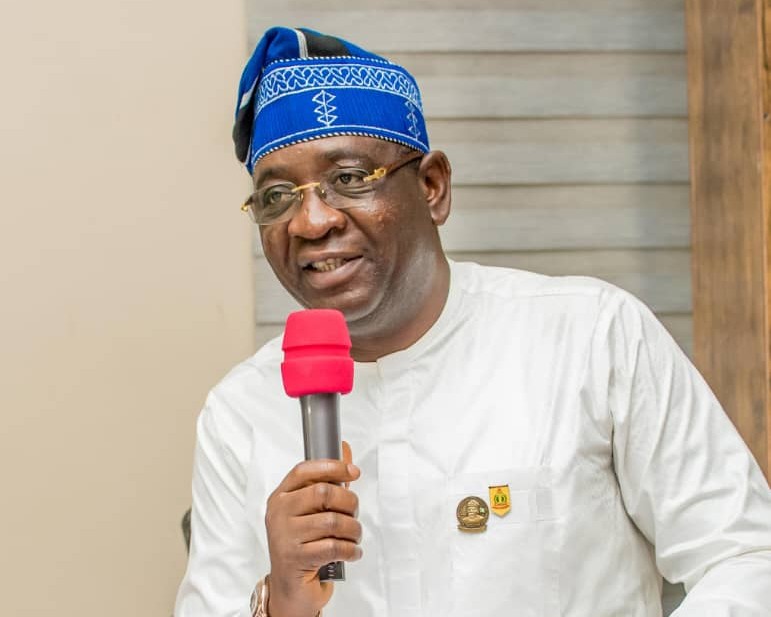
Speaking at a three-day stakeholders’ consultative meeting on the Niger State Shock Response Framework, the Commissioner for Planning, Mustapha Ndajiwo, said the government has already made budgetary provisions to address disasters in 2026. The meeting was organised by the state government in partnership with the United Nations Children’s Fund (UNICEF).
Ndajiwo noted that the state is taking proactive steps to improve its response capacity, adding that funds have been earmarked for disaster management, including counterpart funding arrangements. He explained that the government is reviewing past interventions to identify gaps and strengthen future responses.
He further observed that, over the years, the state has developed and implemented policies in key sectors such as agriculture, food security, and maternal and child nutrition. However, he acknowledged that institutional responses have often been fragmented, with planning, nutrition, and emergency management handled in isolation.
The commissioner urged stakeholders to develop a comprehensive, multi-sectoral framework that would make the state’s development plans more resilient to shocks.
In a separate interview, the Commissioner for Humanitarian and Disaster Management, Mohammed Inga Ibrahim, said the ministry would collaborate with relevant stakeholders to raise awareness and build resilience among residents.
He stressed the need for proactive measures, noting that effective disaster response requires adequate funding mechanisms. According to him, integrating clear and dedicated financing strategies would enable swift intervention before emergencies escalate into major crises.
Ibrahim also highlighted the importance of collective responsibility across ministries, departments, and local government authorities in building resilience structures that support the State Emergency Management Agency (SEMA). He added that the framework would incorporate data-driven early warning systems, including rainfall monitoring, market price tracking, and nutrition indicators, to trigger timely action.
In her goodwill message, UNICEF’s Water, Sanitation and Hygiene (WASH) Specialist and Emergency Focal Point for Niger State, Theresa Pamma, said the meeting aimed to explore ways of mobilising funds to respond effectively to disasters. She assured that UNICEF would continue to provide technical support to the state and expand its interventions where resources permit.
Earlier, the Permanent Secretary, Planning Commission, Aishatu Usman, said the state remains vulnerable to various shocks, including climate-induced floods, inflation, and security challenges. She warned that such crises often undermine development gains, particularly affecting household livelihoods and child nutrition.
Usman emphasised that strengthening resilience is critical to safeguarding development outcomes, noting that vulnerable populations, especially children, are often the hardest hit during emergencies.