

The Director-General and Chief Executive Officer of the Benue State Budget and Economic Planning Commission (BSBEPC), Professor Jerome Andohol, has warned Ministries, Departments and Agencies (MDAs) to fully report all grants and development assistance received, including non-cash donations, as the state begins preparation for the 2027 Budget.
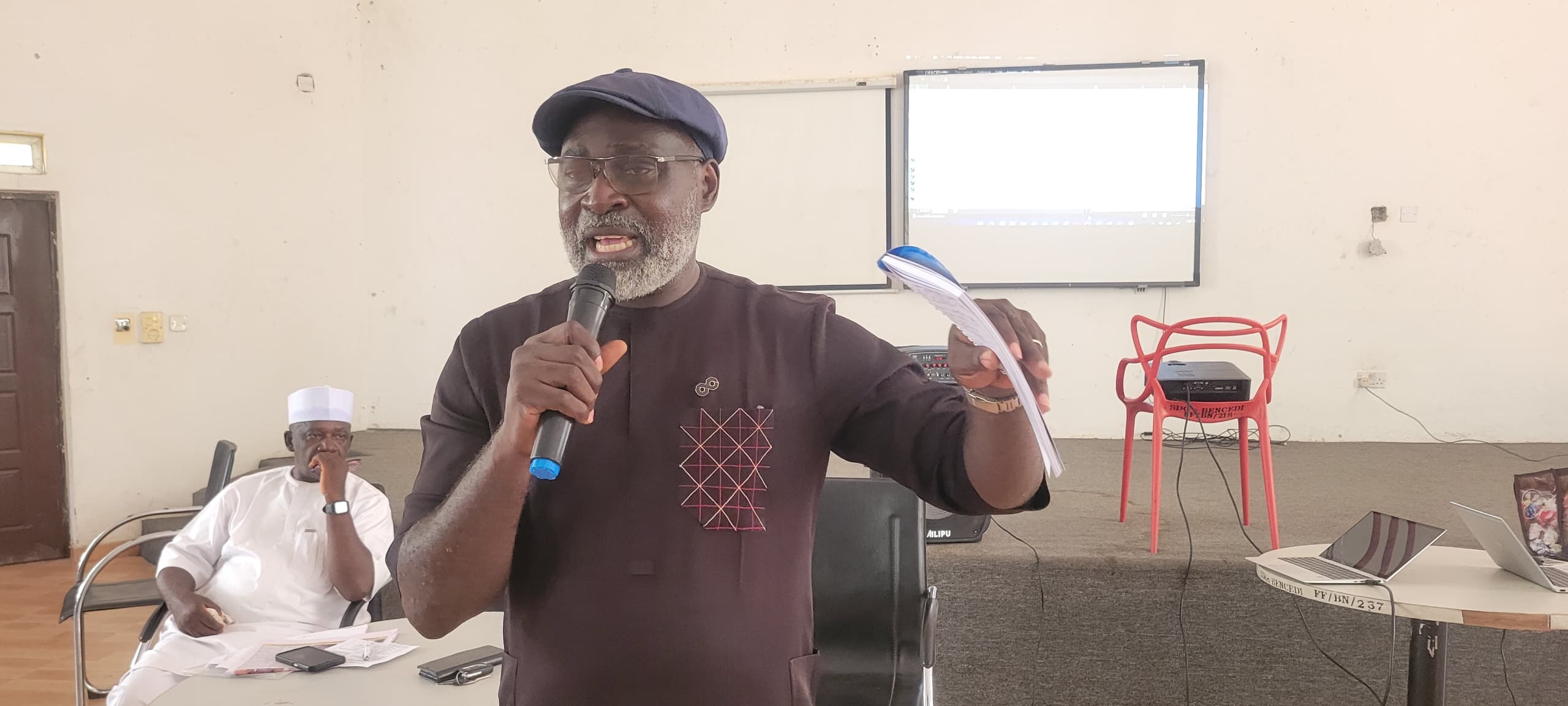
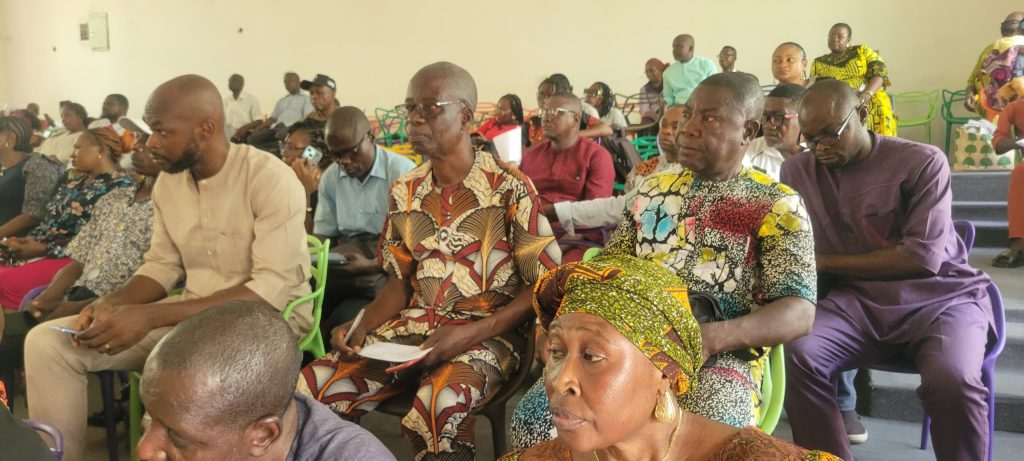
Prof. Andohol gave the warning on Tuesday in Makurdi while delivering a keynote address at the 2027 Pre-Budget Consultative Meeting and Bilateral Budget Discussion held at the Bureau for Entrepreneurship Development and Wealth Creation.
He explained that grants, officially known as Official Development Assistance, are also referred to as non-debt discretionary funds. He said even donations in kind, such as books, have market values that can be ascertained and must be reported as inflows.
He said once such inflows are reported as revenue, the same amount should be captured as expenditure, in line with basic accounting principles of debit and credit, so that the account balances.
According to him, failure to report such inflows makes the budget underperform and deprives the state of revenue, including Federation Account Allocation Committee (FAAC) receipts, since the ability to generate Internally Generated Revenue (IGR) and attract grants is a criterion for accessing more federal allocation.
“If you are not reporting it, you are shooting yourself in the leg. It means we will be getting smaller and smaller FAAC, and it may start affecting our salaries. At a point, we will start complaining of paucity of funds,” he warned.
Prof. Andohol also addressed the issue of budget ceilings issued to MDAs, acknowledging that some MDAs are uncomfortable with them. He explained that the ceilings were derived from past performance and revenue forecasts contained in the Medium-Term Expenditure Framework (MTEF), which is based on a three-year historical analysis.
He said the Commission also considers current global trends and macroeconomic fundamentals such as inflation and exchange rate volatility in projecting revenue, in collaboration with the Ministry of Finance.
He assured MDAs that where a strong case is made, especially on first-line charges such as personnel cost, followed by pensions, allowances and overheads, ceilings could be readjusted.
On capital projects, the Director-General stressed that capital proposals must align with the thinking and priorities of the Governor, Rev. Fr. Hyacinth Iormem Alia, warning that MDAs that propose projects outside the Governor’s vision risk having their memos misunderstood and rejected.
“It is not the total number of capital projects that matters. It is not the quantum, it is the quality. Even if you do only one capital project in a year, what matters is that you have performed,” he said.
He urged MDAs to sensitise their Chief Executives on the need to align capital projects with the Governor’s development agenda.
Prof. Andohol further emphasised that the budget must always be tied to the Medium-Term Sector Strategy (MTSS). He disclosed that MTSS have already been developed for four sectors: health, education, WASH (Water, Sanitation and Hygiene) and social protection, with plans to extend the process to other sectors.
Earlier, in his welcome address, the Director covering the Permanent Secretary of the Commission, Orinya Ogenyi, said the meeting marked the official kick-off of the 2027 budget preparation in line with the Fiscal Responsibility Law and the directives of Governor Alia.
He said the 2027 Budget is coming at a time when the administration is consolidating the gains of the past two years in infrastructure, agriculture and food security, human capital development and social protection.
According to him, the task of the Commission is to ensure that the budget remains people-centred, realistic, implementable and aligned with the Benue State Development Plan, the National Development Plan 2026-2030 and the Food Systems Transformation Pathways.
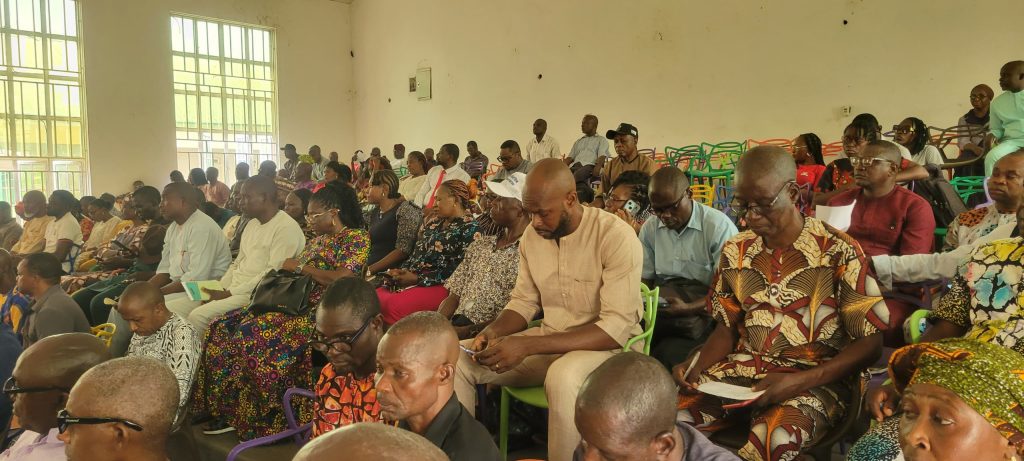
Ogenyi outlined three clear focuses for the pre-budget process: linking plan to budget, with every MDA submission tied to the State Development Plan and its sectoral priorities with clear targets and indicators; prioritising revenue and sustainability, by being realistic on revenue, deepening IGR, blocking leakages and prioritising expenditure that delivers impact; and prioritising social sectors and economic growth, with 2027 to focus on agriculture value chains, education, health, youth and women empowerment as well as social protection financing.
He urged all Accounting Officers, Directors of Planning, Research and Statistics and Budget Officers to engage actively, stressing that the exercise is not just a budget defence session but a planning session for results.
He added that the Commission is working with the Ministry of Finance, the Benue State House of Assembly and development partners to ensure timely passage and effective implementation of the budget.
The meeting also featured paper presentations on “Addressing the MDAs Revenue Reporting Gap through Collaboration with Benue Internal Revenue Service (BIRS),” “Highlights on Budget Template (Capital Budget and Capital Receipts)” and “Challenges in Budget Implementation Reporting,” delivered by Mr. Ezekiel Sevav, Mr. Daniel Ogah and Mr. Agbo Dominic respectively.